Early Christian Church Discovered in Murcia, Spain, Survived Muslim Rule Until 9th Century
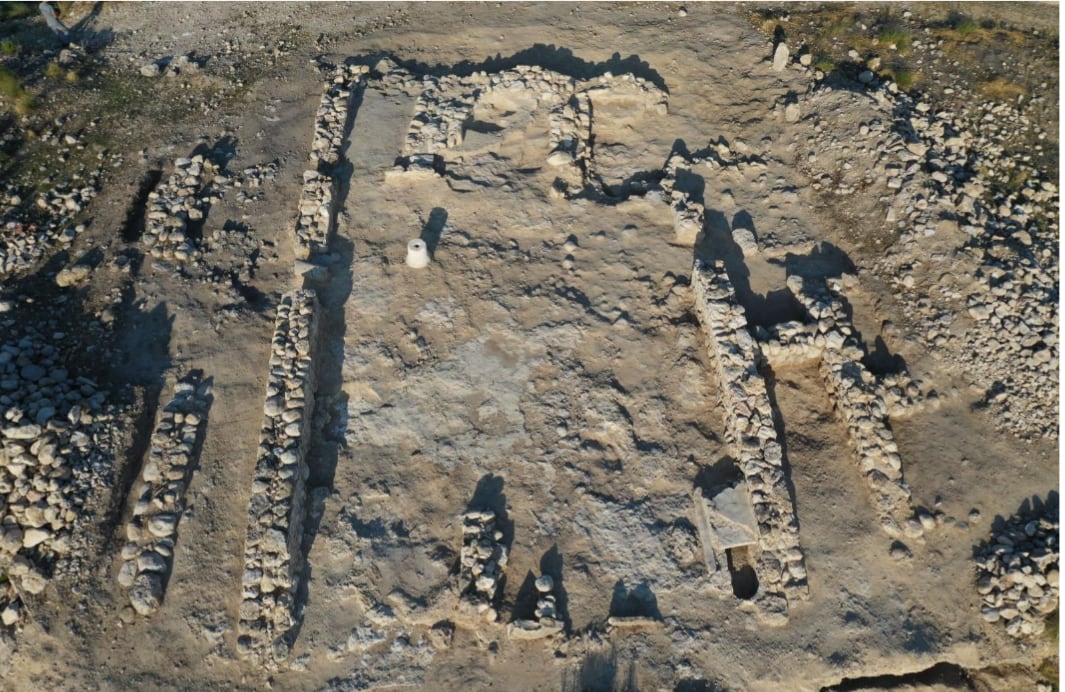
An early Christian church, which remarkably persisted in Muslim-controlled territory until the 9th century, has been unearthed in the municipality of Calasparra, Murcia, Spain. The discovery sheds light on the religious coexistence and resilience of Christian communities during the period of Islamic rule in the Iberian Peninsula.
Excavations at the site have yielded significant artifacts, including coins and weights, providing valuable insights into the economic and administrative life of the era. Most notably, the remains of a young woman were found within the church, believed to have died during childbirth. This poignant discovery offers a direct human connection to the past inhabitants of this sacred space.
The discovery of this 9th-century early Christian church in Calasparra, Spain, offers a tangible link to the complex religious and cultural dynamics of the Iberian Peninsula during the medieval period. Its survival under Muslim rule highlights the potential for coexistence and the enduring presence of minority faiths within dominant political structures. The artifacts, including coins and weights, provide material evidence for understanding trade and governance systems of the time. The discovery of a tomb within the church, particularly that of a woman who died in childbirth, serves as a somber reminder of the personal lives and challenges faced by individuals within these historical contexts. This finding prompts reflection on how historical narratives often focus on grand political shifts, while the daily lives and spiritual practices of ordinary people, even in times of significant societal change, are equally crucial for a comprehensive understanding of the past.
AI-generated to prompt reflection — not editorial opinion, not advice, not a statement of fact. How this works.