Early Days of the Spanish Civil War Marked by Terrorist Tactics
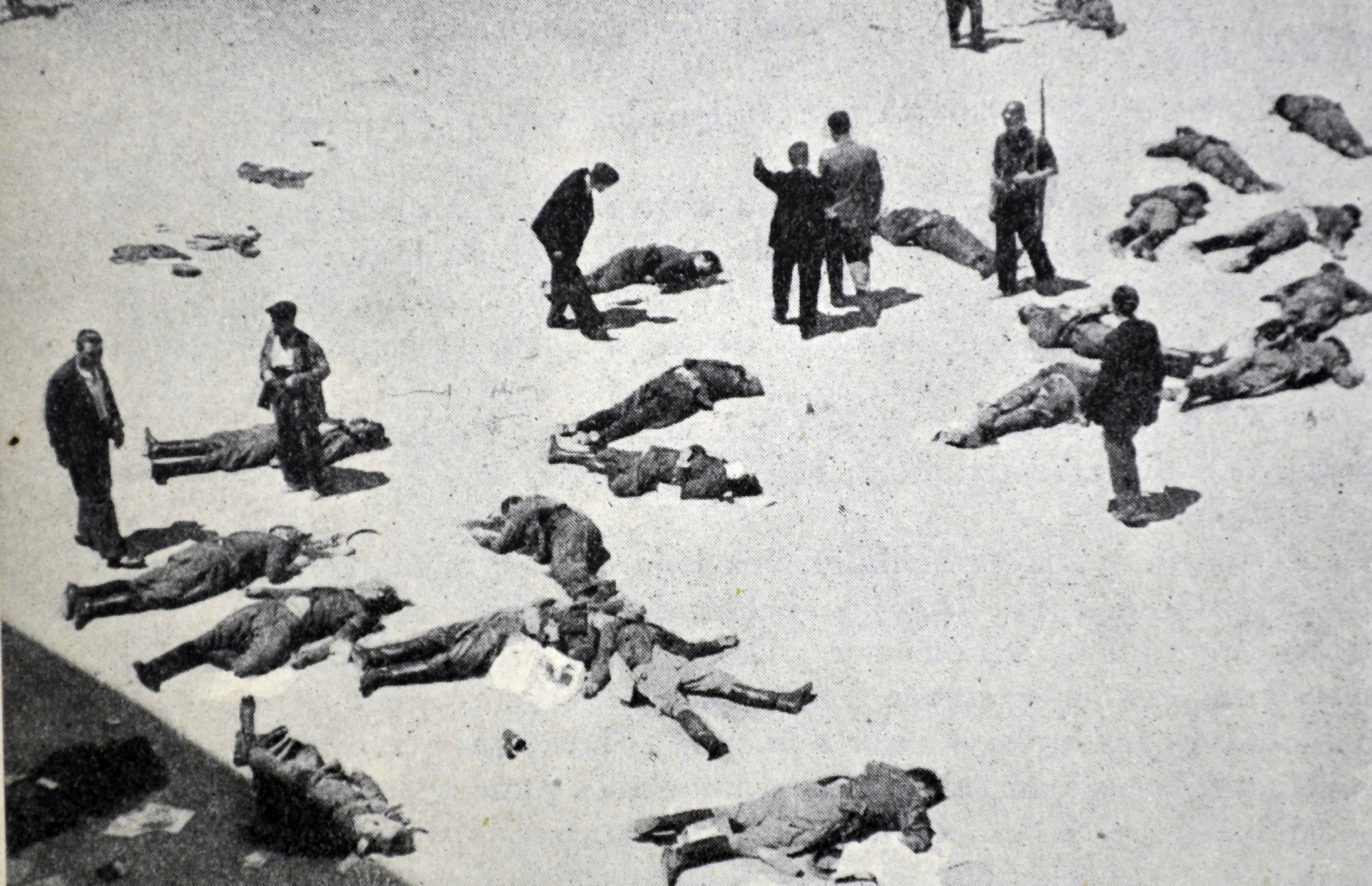
The coup d'état against the Spanish Republic, which occurred 90 years ago, was accompanied by a deliberate strategy to spread terror. This violence permeated all aspects of the initial phase of the Spanish Civil War. The instigators of the coup actively employed fear as a weapon to consolidate their power and destabilize the existing government. The historical context reveals that this approach was not an unintended consequence but a planned element of their strategy. The widespread violence that ensued significantly shaped the early trajectory of the conflict. This period set a grim precedent for the brutality that would characterize the war in the years to come. The initial days were defined by this orchestrated campaign of fear and its tangible impact on society.
The initial actions of the coup leaders in the Spanish Civil War, 90 years ago, reveal a strategic deployment of terror as a tool of political destabilization. This approach highlights a recurring pattern in historical conflicts where the deliberate instillation of fear is used to undermine established governance and gain control. Examining this tactic through a contemporary lens, it underscores the enduring importance of robust state institutions and clear communication channels in mitigating the impact of disinformation and fear-mongering. The long-term consequences of such strategies often involve protracted societal trauma and challenges to democratic rebuilding, emphasizing the critical need for resilient civic structures and a commitment to rule of law in preventing future escalations of political violence.
AI-generated to prompt reflection — not editorial opinion, not advice, not a statement of fact. How this works.