Early Elections Could Unblock Situation, But May Not Resolve Political Crisis, Says Pollster
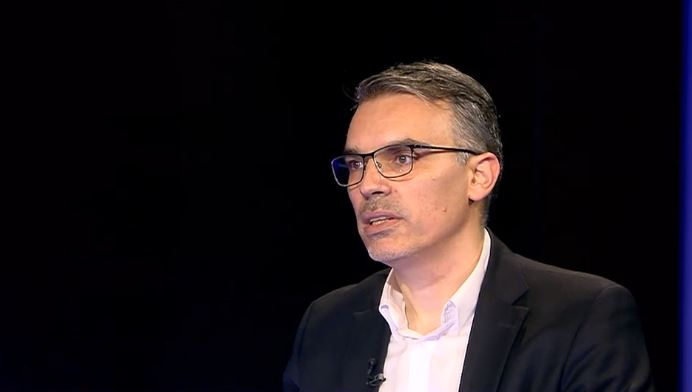
Remus Ştefureac, Director General of INSCOP Research, stated on Tuesday that in May, 41% of Romanians viewed early elections as a solution to the country's political situation. However, he noted that after two months of ongoing crisis, public perceptions have likely shifted. Ştefureac expressed uncertainty about whether early elections would definitively resolve the political crisis. He anticipates that the fragmentation within the Parliament would likely persist even after a new election. This suggests that the underlying issues contributing to the political deadlock might not be addressed solely by a change in election timing. The analysis implies that the composition and potential for coalition-building within the legislative body remain key challenges.
The prospect of early elections is presented as a potential, albeit uncertain, solution to Romania's political deadlock. While public opinion in May indicated some support for this measure, the persistence of parliamentary fragmentation suggests that electoral reform alone may not guarantee political stability. This situation highlights a systemic challenge where electoral outcomes do not necessarily translate into cohesive governance, particularly in environments with highly fragmented party systems. Looking ahead, the focus should be on fostering mechanisms that encourage broader consensus-building and reduce legislative gridlock, rather than solely relying on the timing of elections. The incentive structures for political actors to collaborate will be crucial in navigating future political landscapes, especially as societal demands for effective governance increase.
AI-generated to prompt reflection — not editorial opinion, not advice, not a statement of fact. How this works.