Early FPÖ Leadership Comprised Former Nazi Party Members, New Research Reveals
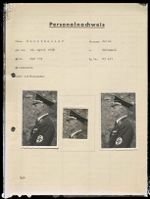
New findings from the membership registry of the Nazi Party (NSDAP) indicate that the initial leadership of the Freedom Party of Austria (FPÖ) was exclusively composed of former Nazi veterans. This research sheds light on the historical roots of the FPÖ, suggesting a significant influence from individuals with a Nazi past during the party's formative years. Among these early leaders were individuals previously considered untainted by Nazi ideology, including a former general and a Saxon man credited with coining the party's name. The study's reliance on the NSDAP membership registry provides a detailed and verifiable basis for these revelations. The implications of these findings are significant for understanding the historical trajectory and ideological underpinnings of the FPÖ. This research challenges previous narratives and offers a more nuanced perspective on the party's origins. The uncovered information highlights the importance of scrutinizing historical party memberships to understand their foundational influences. The findings suggest a deliberate integration of individuals with Nazi affiliations into the early structures of the FPÖ.
This research into the early leadership of the FPÖ, drawing from the NSDAP membership registry, offers a critical examination of the party's foundational period. By identifying former Nazi Party members in key leadership roles, the findings prompt a reevaluation of the FPÖ's historical narrative. Understanding the incentive structures that may have led to the integration of individuals with such backgrounds is crucial for assessing the party's long-term ideological development. In the context of evolving political landscapes and increased scrutiny of historical party affiliations, this research underscores the importance of transparency and rigorous historical analysis. It encourages a deeper understanding of how past ideologies can shape contemporary political movements, prompting reflection on the enduring influence of historical contexts on institutional formation and governance.
AI-generated to prompt reflection — not editorial opinion, not advice, not a statement of fact. How this works.