Earth's Complex Cosmic Journey: A Multi-Layered Motion
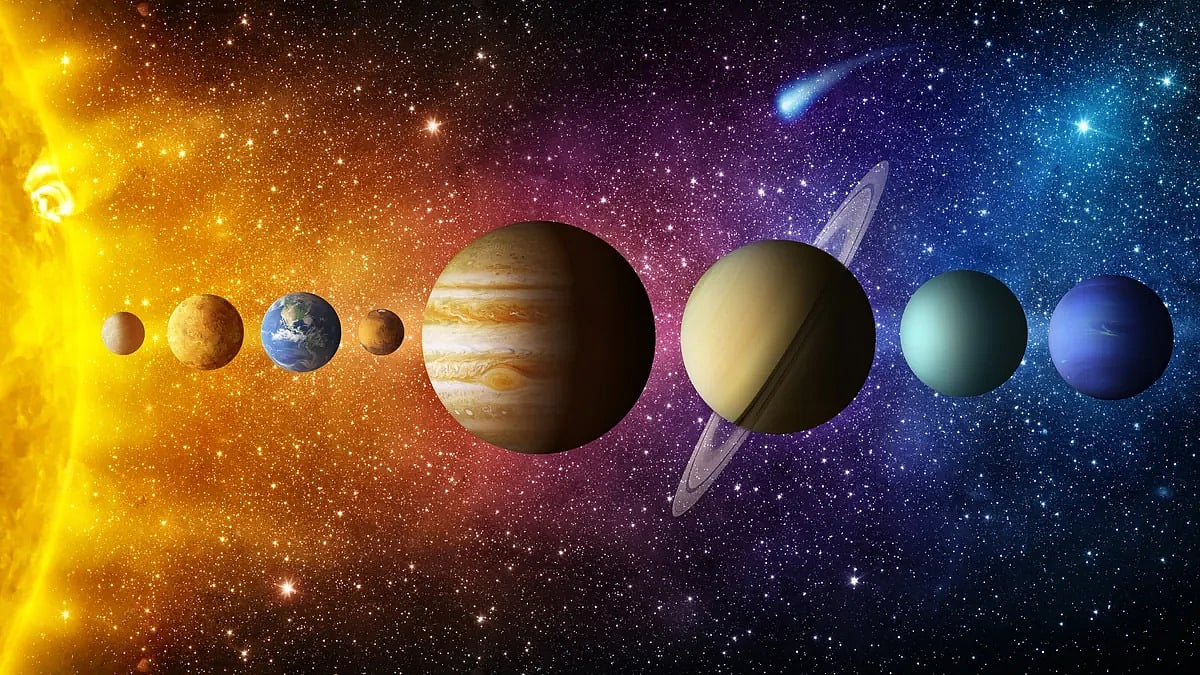
Our planet's movement through space is far more intricate than commonly perceived, involving multiple layers of motion. When observed from a specific reference point, Earth's speed reveals a complex, multi-faceted journey. This understanding challenges simple notions of planetary movement and highlights the dynamic nature of our solar system's place in the cosmos. The calculation of these speeds, when laid out, is astonishing. It underscores the vastness of space and the constant, yet often unnoticed, motion of celestial bodies. This multi-layered dynamic is fundamental to understanding celestial mechanics and our position within the universe. The sheer scale of these movements is difficult to comprehend fully, but it is a core aspect of astrophysics. Our perception of stillness is merely a relative phenomenon within this grand cosmic dance.
The description of Earth's motion emphasizes its multi-layered velocity, a concept rooted in classical mechanics and relativity. Understanding these relative frames of reference is crucial for astronomical calculations and space navigation. The inherent complexity of cosmic motion, often counter-intuitive to everyday experience, highlights the importance of scientific models in accurately depicting reality. As we advance in space exploration and our understanding of the universe, appreciating these nuanced dynamics will be increasingly vital for future technological and scientific endeavors, particularly in fields like astrodynamics and cosmology.
AI-generated to prompt reflection — not editorial opinion, not advice, not a statement of fact. How this works.