East Germans Prefer AfD Involvement in Government Over Grand Coalitions
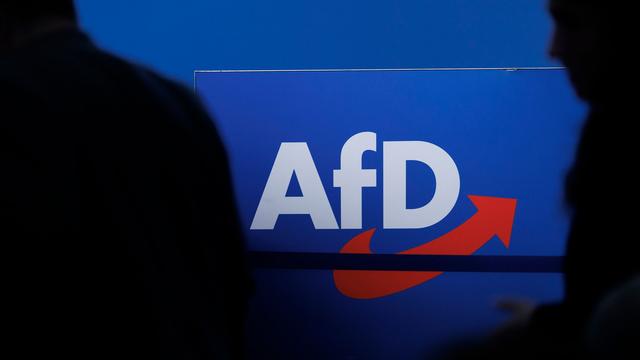
A recent survey indicates that residents in eastern Germany are more inclined to see the Alternative for Germany (AfD) party participate in state governments than to form broad, all-party coalitions. This sentiment suggests a potential shift in political preferences within the region. The findings highlight a growing openness among some eastern German voters towards the AfD, a party often characterized by its nationalist and right-wing populist platform. Conversely, the idea of traditional 'grand coalitions,' involving the major established parties, appears less appealing to this segment of the electorate. The survey's results could influence coalition-building strategies and political discourse in the eastern German states following future elections. It points to a complex political landscape where established party structures may face challenges in forming majorities. The specific demographic or regional factors driving this preference were not detailed in the provided text, but the trend itself is significant for understanding the current political climate in eastern Germany. This inclination could signal a desire for different political approaches or a dissatisfaction with the status quo represented by established parties.
The survey data suggests a potential divergence in political appetite between eastern and western Germany regarding coalition formation. This trend may reflect differing historical experiences, economic conditions, or perceptions of established political parties in the eastern states. From a governance perspective, the increased openness to the AfD's participation could challenge traditional coalition-building norms and potentially lead to more fragmented or ideologically diverse governments. Understanding the underlying drivers of this sentiment, whether it's a demand for alternative policy solutions or a protest vote, will be crucial for established parties seeking to regain trust and relevance in the region. Future political stability and policy-making effectiveness in eastern Germany may hinge on how effectively these evolving public preferences are addressed within the existing democratic framework, considering the long-term implications for social cohesion and political discourse.
AI-generated to prompt reflection — not editorial opinion, not advice, not a statement of fact. How this works.