East Timor court reviews Myanmar war crimes, challenging ASEAN's stance
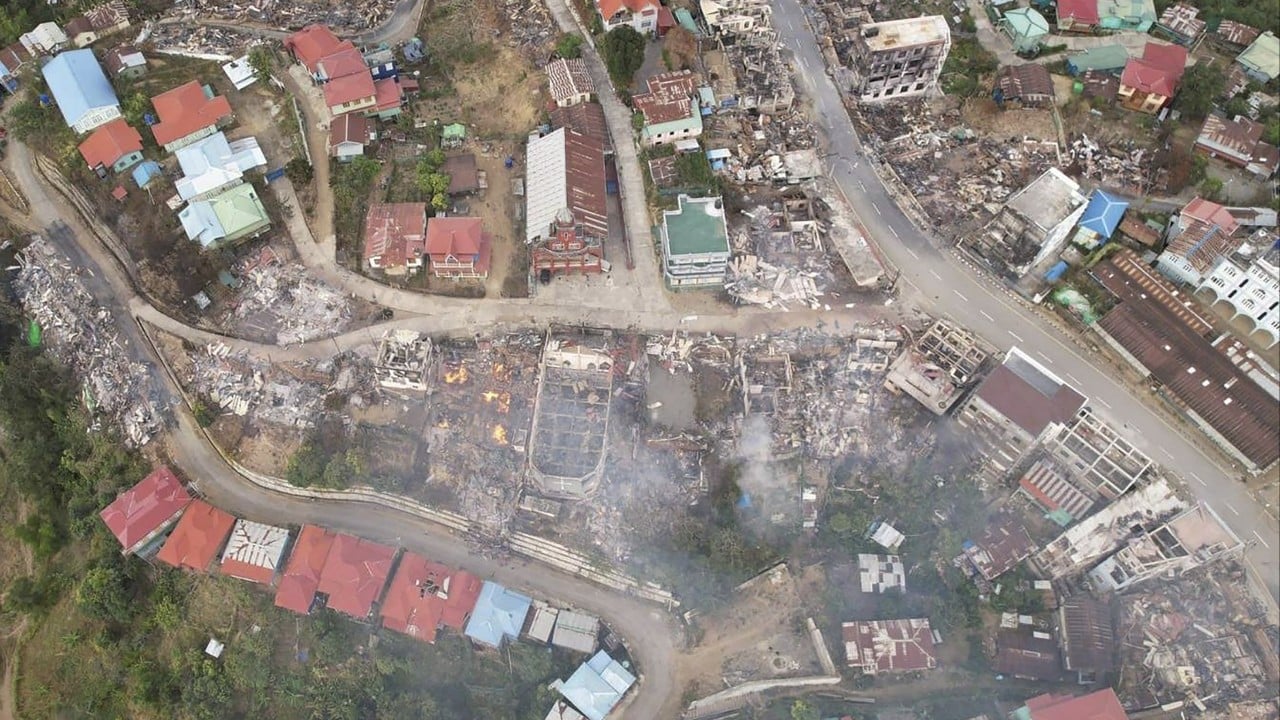
East Timor is becoming an unexpected location for a legal review of alleged war crimes and crimes against humanity committed by Myanmar's military leadership. The case, brought forth by the Chin Human Rights Organisation (CHRO), is progressing through the courts in Dili and is putting ASEAN's hesitant approach to Myanmar's ruling junta to the test. This development raises questions about the capacity of a relatively new ASEAN member, which itself has experienced occupation and atrocities, to utilize its judicial system to investigate serious accusations against another state's military. The proceedings are anticipated to illuminate the effectiveness and willingness of smaller nations within regional blocs to address such significant international human rights concerns. The outcome could set a precedent for how ASEAN members handle internal human rights crises within member states, particularly concerning military actions.
This legal action in East Timor presents a critical juncture for ASEAN's collective approach to human rights within its member states. By accepting this case, East Timor's judiciary is challenging the prevailing norm of non-interference, potentially highlighting a gap between ASEAN's stated principles and its practical enforcement mechanisms concerning grave international crimes. The situation prompts consideration of whether regional bodies are equipped to handle such complex legal and political challenges, or if they will continue to rely on individual member states to take the initiative. This case could influence future diplomatic strategies and legal frameworks for addressing accountability for atrocities in Southeast Asia, particularly as the region navigates evolving geopolitical dynamics and the increasing prominence of international human rights law.
AI-generated to prompt reflection — not editorial opinion, not advice, not a statement of fact. How this works.