Eastern Macedonia Emerges as Attractive Alternative to Skopje for Living and Working
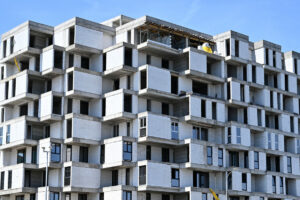
North Macedonia's Eastern Region is experiencing a surge in construction activity, positioning itself as a compelling alternative to the capital, Skopje. Recent data on building permits indicates a significant shift, with investors and homebuyers increasingly focusing on the eastern part of the country. This trend is driven by factors such as high property prices and a saturated market in Skopje, which are making the eastern cities more appealing for both residential and professional purposes. The region is seeing the largest number of planned new apartment constructions. This growing interest suggests a potential decentralization of economic and residential development away from the capital. The construction sector in Macedonia is observing this dynamic shift, with eastern cities becoming hubs for new investments and urban development. As Skopje grapples with its market challenges, the eastern areas are presenting opportunities for growth and a potentially more affordable cost of living and doing business. The development in the East signifies a changing landscape for urban planning and investment within North Macedonia.
The observed migration of construction investment and residential interest from Skopje to Eastern North Macedonia suggests a market correction driven by affordability and saturation in the capital. This shift could indicate evolving economic opportunities and quality of life perceptions in the eastern regions. From a long-term perspective, such decentralization trends, if sustained, may foster more balanced regional development and reduce pressure on urban infrastructure in Skopje. However, the sustainability of this trend will depend on continued investment in infrastructure, job creation, and public services in the eastern cities to ensure they can absorb population growth effectively. The dynamic highlights the classic urban challenge of managing growth and ensuring equitable development across a nation.
AI-generated to prompt reflection — not editorial opinion, not advice, not a statement of fact. How this works.