Easy Homemade Khoya: A Simple Trick for Perfect Mawa
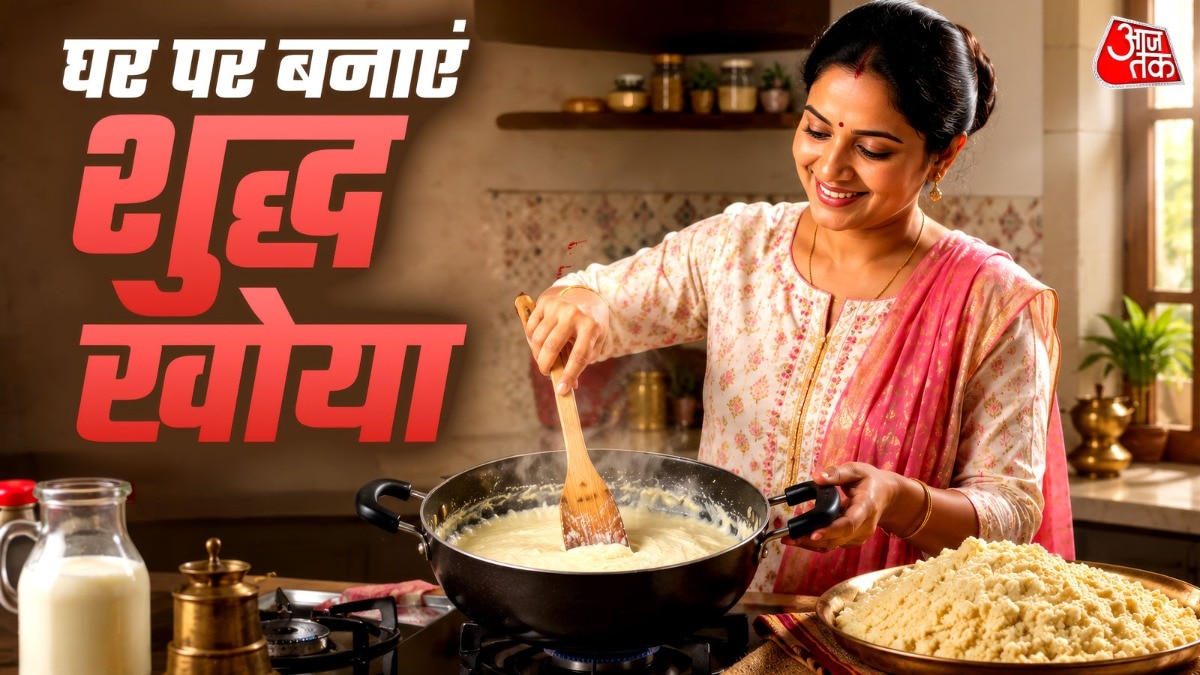
This article provides a simple trick for making pure khoya (mawa) at home without it sticking to the pan or burning. Many home cooks hesitate to make khoya because it often burns or sticks to the bottom of the pot. The presented method aims to eliminate these common issues, allowing for the preparation of high-quality khoya in one's own kitchen. The technique is designed to ensure a smooth cooking process and a superior final product. By following this trick, users can confidently create authentic khoya, which is a key ingredient in many Indian sweets and desserts. The article focuses on a straightforward approach to achieving a desirable texture and taste, making homemade khoya accessible to everyone. This method is particularly useful for those who have struggled with traditional techniques.
This culinary tip addresses a common household cooking challenge, offering a practical solution for preparing a traditional ingredient. The focus on a 'trick' suggests an emphasis on process optimization rather than fundamental ingredient alteration. Such methods often leverage principles of heat transfer and material science, aiming to manage the Maillard reaction and caramelization effectively. From a systems perspective, this highlights the ongoing human endeavor to refine traditional crafts through accessible knowledge, reducing reliance on specialized skills or commercial products. The underlying incentive is to democratize culinary expertise, making complex preparations more manageable and encouraging home-based food production.
AI-generated to prompt reflection — not editorial opinion, not advice, not a statement of fact. How this works.