Ebola Deaths in DRC Surge Past 1700 in Two Weeks
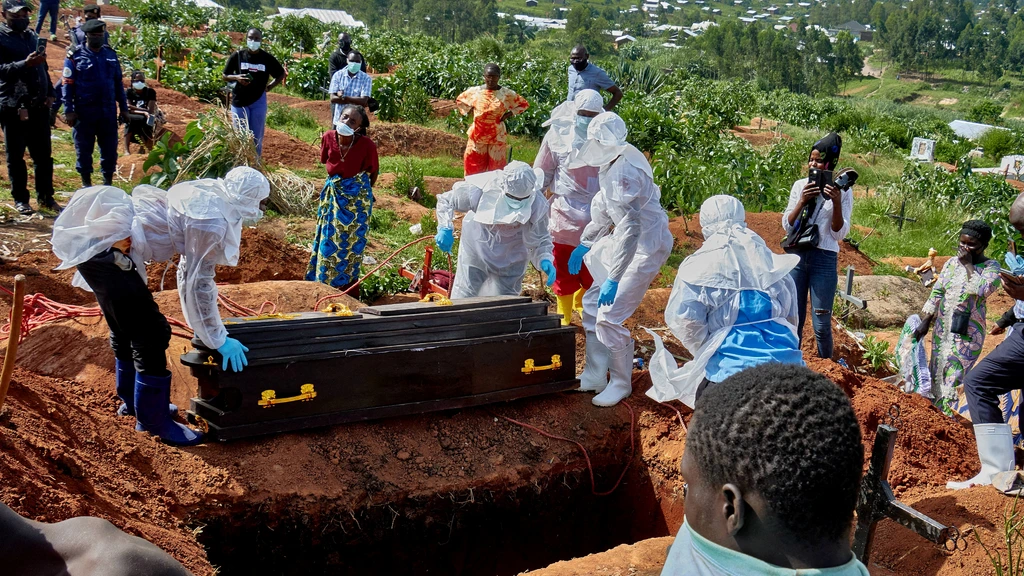
The death toll from Ebola in the Democratic Republic of Congo (DRC) has rapidly increased, rising from 999 to over 1700 in just two weeks. Concurrently, confirmed cases of the virus have climbed from 2473 to more than 3800, according to national authorities. The outbreak's epicenter is located in the Ituri region of northeastern DRC, accounting for 90 percent of all reported cases. Health officials state that the exact origin point of this outbreak remains unknown. Tracing the virus's initial source is significantly hampered by ongoing armed conflicts in the region, which cause population displacement and complicate efforts to identify the first infected individual. Furthermore, many patients continue to seek treatment from traditional healers rather than reporting to official health authorities. The current outbreak is caused by the rare Bundibugyo variant of Ebola, a highly contagious disease that causes internal bleeding and spreads through bodily fluids. This variant lacks specific vaccines or treatments. Notably, the mortality rate in this current outbreak is accelerating faster than in previous Ebola epidemics; for comparison, the 2013-2016 outbreak took approximately eight months to reach 1000 fatalities.
This rapid escalation of Ebola fatalities and infections in the DRC highlights critical challenges in public health crisis management within conflict-affected regions. The confluence of armed conflict, population displacement, and reliance on traditional healing practices creates a complex environment that impedes effective containment strategies. The unknown origin point, compounded by these factors, underscores the difficulty in implementing targeted interventions. The accelerated mortality rate compared to past outbreaks suggests potential shifts in viral characteristics or a more compromised healthcare infrastructure. Addressing such crises requires a multi-faceted approach that integrates security, humanitarian aid, and culturally sensitive public health communication to build trust and facilitate access to medical care, particularly in the face of novel or untreatable variants.
AI-generated to prompt reflection — not editorial opinion, not advice, not a statement of fact. How this works.
