Ebola Outbreak in Congo Becomes Deadliest and Fastest on Record
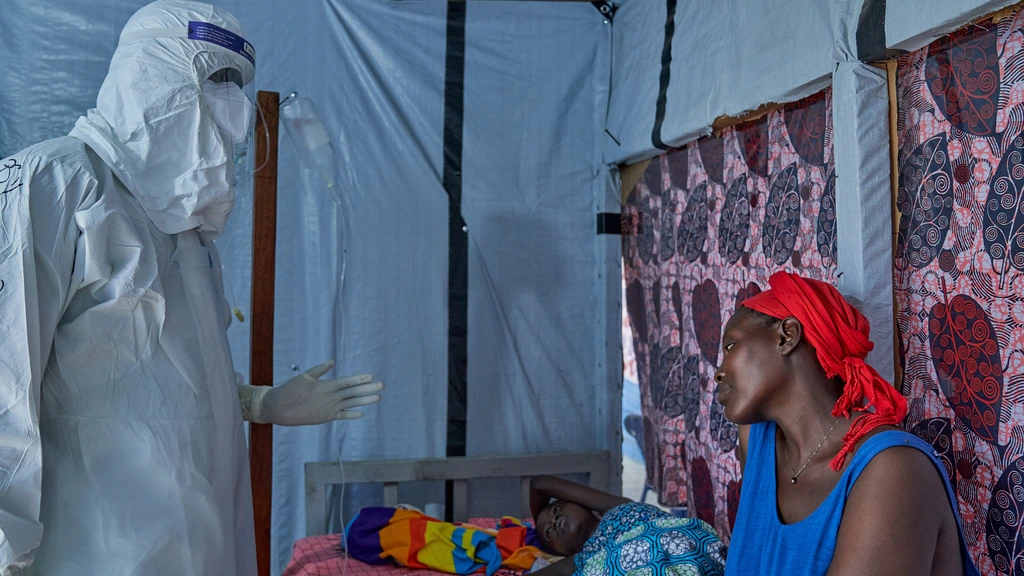
The current Ebola outbreak in the Democratic Republic of Congo (DRC) has claimed 999 lives, making it the fastest and deadliest outbreak on record, according to AP. The virus has killed more people more quickly than previous outbreaks, surpassing even the 2013-2016 epidemic, which was considered the worst with over 11,000 deaths. Ebola, a rare but highly contagious virus transmitted through bodily fluids, causes a severe and often fatal illness. This specific outbreak is attributed to the rare Bundibugyo variant. Health authorities report that the transmission route for 80 percent of new cases in Congo remains unknown, accelerating the spread beyond the capacity of health services to contain it. The Congolese Ministry of Public Health's latest update indicates 2,473 new cases and 999 deaths since Monday, with at least 737 patients currently hospitalized or in isolation. The virus has also reached neighboring Uganda, resulting in two fatalities. Jean Kaseya, Director-General of the Africa Centres for Disease Control and Prevention, warned that the outbreak could become one of the worst globally if not stopped immediately, urging intensified containment efforts. Some affected villages are so remote they are only accessible by helicopter, highlighting the critical need for rapid response. The Dutch government has allocated an additional four million euros to combat the outbreak, and the Netherlands is also advocating for increased funding for the medical sector in South Sudan to monitor potential spread.
This Ebola outbreak's rapid escalation and high mortality rate underscore the persistent challenges in containing infectious diseases in resource-limited settings. The unknown transmission pathways for a significant percentage of cases highlight critical gaps in public health surveillance and community engagement, suggesting a need for more robust, localized data collection and rapid response mechanisms. The reliance on air transport for remote areas points to logistical complexities that can impede timely medical intervention. International financial aid, such as the Dutch contribution, is crucial but must be integrated into sustainable, long-term public health infrastructure development to build resilience against future epidemics. The situation also emphasizes the interconnectedness of regional health security, as demonstrated by the virus's spread to Uganda, necessitating coordinated cross-border monitoring and response strategies.
AI-generated to prompt reflection — not editorial opinion, not advice, not a statement of fact. How this works.