Ebola Outbreak in Congo Disrupted by Striking Healthcare Workers
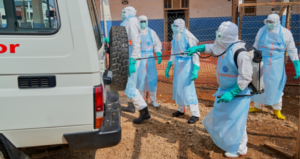
Healthcare workers at an Ebola treatment center in the eastern Democratic Republic of Congo have begun a strike, demanding unpaid wages. This action has disrupted patient care amidst a rapidly escalating epidemic in the African nation. The number of confirmed Ebola cases in Congo has now surpassed 3,000. The strike specifically affects the treatment center located in the epicenter of the outbreak, exacerbating an already dire public health crisis. "Al Jazeera" reported on the situation, highlighting the dual challenges of combating the disease and addressing the grievances of frontline medical personnel. The delay in salary payments has led to significant unrest among health professionals who are critical to managing the epidemic. This development raises concerns about the sustainability of containment efforts and the overall response strategy. The ongoing strike underscores the complex interplay between health emergencies and the socio-economic conditions of healthcare providers.
The strike by healthcare workers in the Democratic Republic of Congo during a severe Ebola outbreak highlights a critical systemic vulnerability: the interdependence of public health infrastructure and the well-being of its personnel. While the immediate impact is a disruption of essential medical services, the underlying issue points to governance and resource allocation challenges within the healthcare sector. Ensuring adequate and timely compensation for frontline workers is not merely an administrative matter but a strategic imperative for epidemic control. Failure to address these fundamental operational needs can undermine trust and create conditions where essential services are compromised, potentially prolonging or worsening public health crises. Moving forward, robust and transparent financial management systems, coupled with strong international and national support mechanisms, will be crucial to prevent such disruptions and build a more resilient health response capacity for future emergencies.
AI-generated to prompt reflection — not editorial opinion, not advice, not a statement of fact. How this works.