Ebola Outbreak in Congo: Hospital Strike Disrupts Healthcare in Affected Region
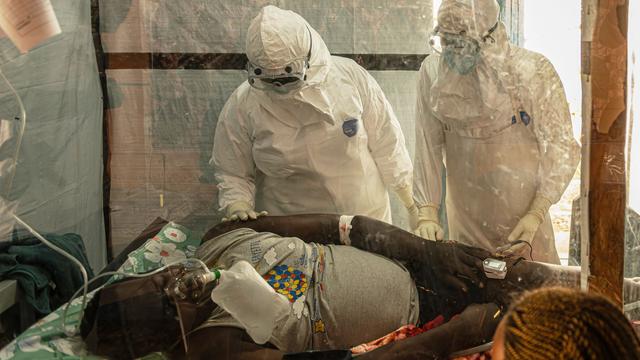
A strike by healthcare workers is impacting hospitals in the Democratic Republic of Congo, including areas affected by the ongoing Ebola outbreak. The strike, which began on Monday, involves medical personnel demanding better working conditions and salaries. This action is exacerbating the already challenging situation in the eastern part of the country, where efforts to contain Ebola are underway. The World Health Organization and other international health bodies have expressed concern over the potential consequences of the strike on patient care and disease containment strategies. The affected regions are primarily in North Kivu province, a hotspot for the current Ebola epidemic. The strike raises serious questions about the sustainability of healthcare services in crisis zones and the ability to respond effectively to public health emergencies. Negotiations between the striking workers and the government are reportedly ongoing, but a resolution has not yet been reached. The situation highlights the critical need for adequate funding and support for healthcare infrastructure in regions prone to outbreaks.
The strike by healthcare workers in the Ebola-affected regions of the Democratic Republic of Congo presents a complex challenge to public health response. While the workers' demands for improved conditions are understandable within the context of demanding work environments, the timing of their industrial action raises concerns about its impact on critical disease containment efforts. This situation underscores a systemic vulnerability: the reliance on under-resourced and potentially under-compensated healthcare personnel in crisis zones. Future strategies may need to incorporate more robust mechanisms for ensuring adequate staffing and fair compensation, independent of immediate outbreak responses, to build resilient healthcare systems capable of weathering both routine demands and extraordinary emergencies. The long-term implications involve balancing the rights of workers with the imperative of public health security, a dynamic that will likely intensify with the increasing frequency of global health crises.
AI-generated to prompt reflection — not editorial opinion, not advice, not a statement of fact. How this works.