Ebola Outbreak in DR Congo Claims Over 500 Lives, WHO Reports
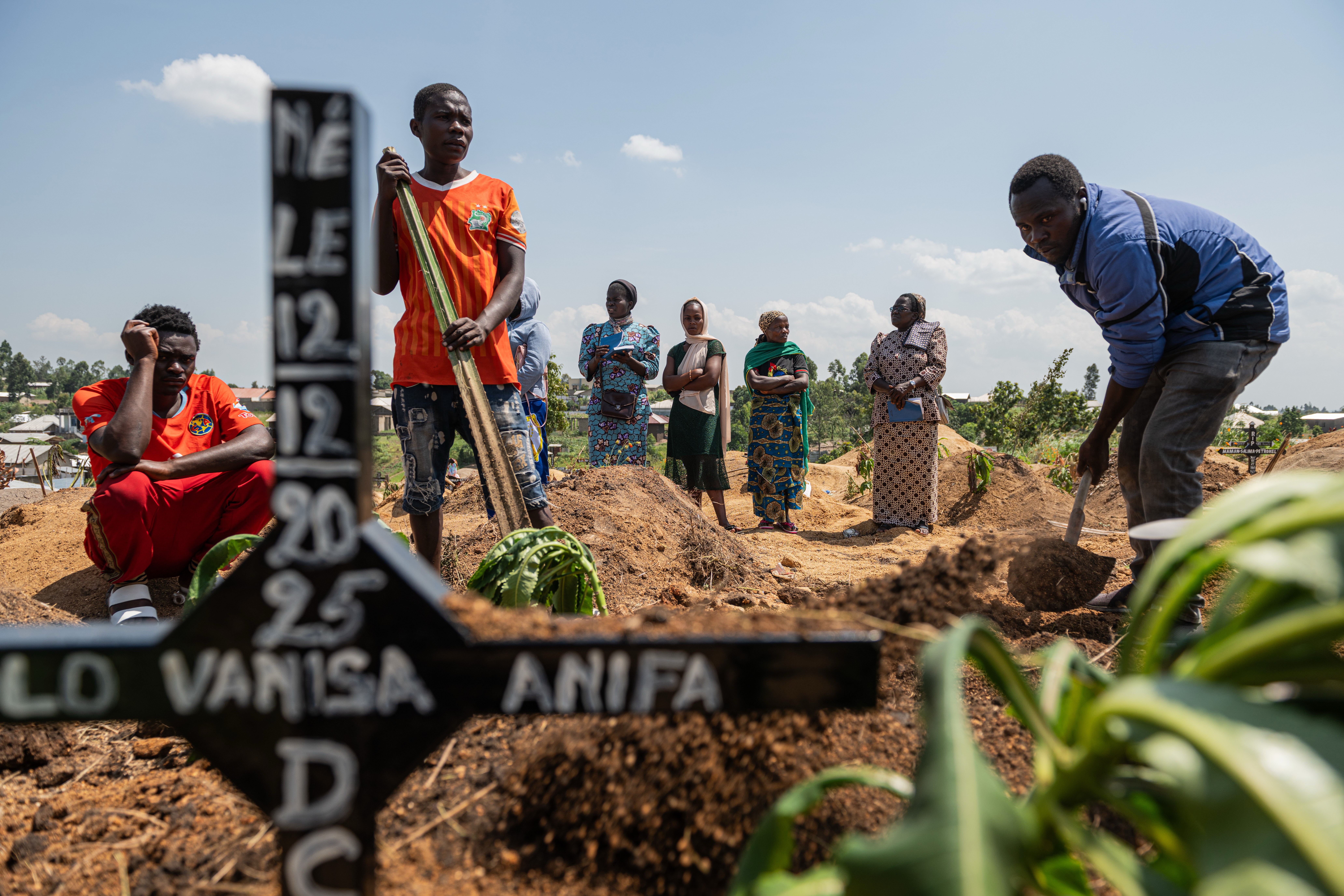
The World Health Organization (WHO) announced on Monday, June 6th, that the Ebola outbreak in the Democratic Republic of Congo has resulted in over 500 fatalities, according to official sources from the African nation. The latest figures from the UN health agency indicate a total of 506 deaths and 1,561 confirmed cases since the outbreak began in mid-May. In neighboring Uganda, two deaths and 20 cases have been reported. This epidemic, the 17th recorded in the Democratic Republic of Congo, was officially declared in Ituri province in the eastern part of the country on May 15th. It is caused by the Bundibugyo strain of the virus, for which no vaccine or specific treatment currently exists. Last week, a clinical trial commenced for two treatments targeting this strain, the WHO confirmed. The organization also authorized the use of a new molecular diagnostic test for the virus. Beyond Ituri, the provinces of North Kivu, South Kivu, and Upper Uele have also been affected by the outbreak. Ebola, a disease transmitted through contact with bodily fluids, has caused over 15,000 deaths across Africa in the past 50 years, often leading to hemorrhagic fever and multiple organ failure. The most severe Ebola epidemic in the DR Congo occurred between 2018 and 2020, resulting in approximately 2,300 deaths from a total of 3,500 cases.
This report details a significant public health crisis in the Democratic Republic of Congo, highlighting the persistent challenge of Ebola outbreaks in the region. The current epidemic is particularly concerning due to the specific viral strain, Bundibugyo, which lacks established vaccines or treatments, necessitating rapid clinical trials and diagnostic advancements. The WHO's role in monitoring, reporting, and facilitating research is critical. Looking ahead, the recurring nature of these outbreaks underscores the need for sustained investment in public health infrastructure, early warning systems, and community engagement strategies across affected areas to mitigate future mortality and transmission risks. The long-term implications involve balancing immediate containment efforts with the development of resilient health systems capable of addressing endemic and epidemic threats in the face of evolving global health landscapes.
AI-generated to prompt reflection — not editorial opinion, not advice, not a statement of fact. How this works.