Ebola Outbreak in DRC Accelerates, Exceeding 2,000 Cases; WHO Warns of Unknown Transmission
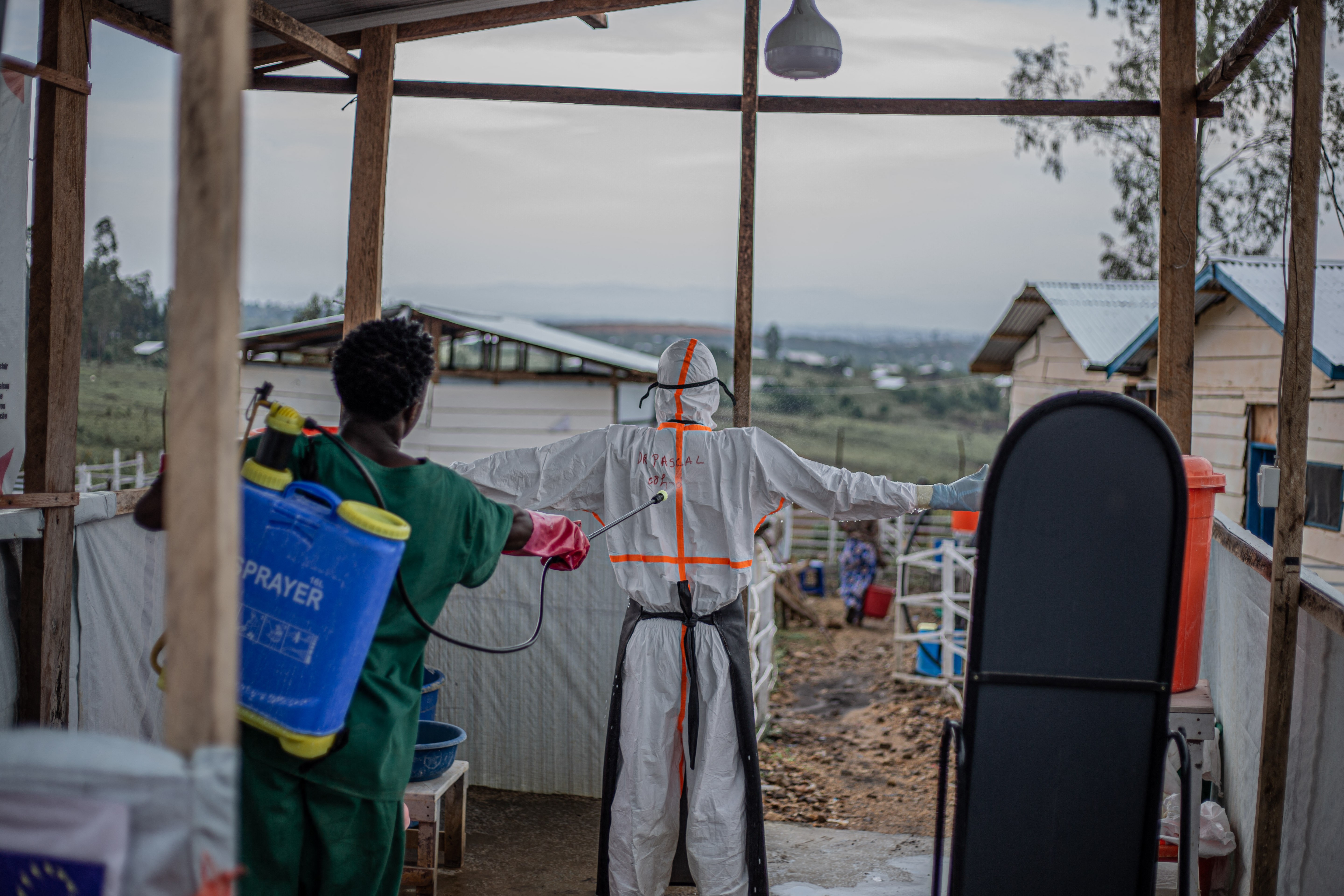
The Democratic Republic of Congo (DRC) is grappling with an Ebola outbreak that has surpassed 2,000 cases and resulted in 754 deaths, according to health authorities. The epidemic is spreading at an "unprecedented pace and into new areas," warned the NGO Doctors Without Borders (MSF), which is calling for an urgent increase in medical response. In less than five weeks, the number of confirmed cases has tripled, and the death toll has quintupled, MSF reported. This current outbreak has already exceeded half the number of cases recorded during the 2018-2020 Ebola epidemic in the DRC, which lasted nearly two years.
Dr. Chikwe Ihekweazu, the World Health Organization's (WHO) director of emergency operations, highlighted on Tuesday that 80% of new cases are not linked to known contact lists and stem from "unknown transmission chains." Many of these cases involve individuals who died before reaching a health center, he noted. The WHO also indicated on Tuesday that the number of cases in the DRC related to the Bundibugyo variant of the virus could be two to four times higher than official estimates. While there are currently no approved vaccines or treatments for this specific variant, the first clinical trial for an antiviral medication commenced on Tuesday, the WHO announced.
This Ebola outbreak in the DRC presents a significant public health challenge, characterized by its rapid spread and the emergence of cases from unknown transmission chains. The high proportion of deaths occurring before individuals reach healthcare facilities suggests critical gaps in community surveillance and access to timely medical intervention. The WHO's warning about the potential underestimation of cases by a factor of two to four underscores the difficulty in containing an epidemic when its true scale is unclear. The initiation of a clinical trial for an antiviral offers a glimmer of hope, but the immediate need for resources to combat the disease, as stated by the WHO, remains paramount. Future strategies must focus on strengthening local health infrastructure, improving contact tracing in challenging environments, and ensuring equitable access to diagnostic and treatment services to mitigate the impact of such outbreaks in the coming decade.
AI-generated to prompt reflection — not editorial opinion, not advice, not a statement of fact. How this works.