Ebola patients, staff flee Congo hospital after mob attack over patient death
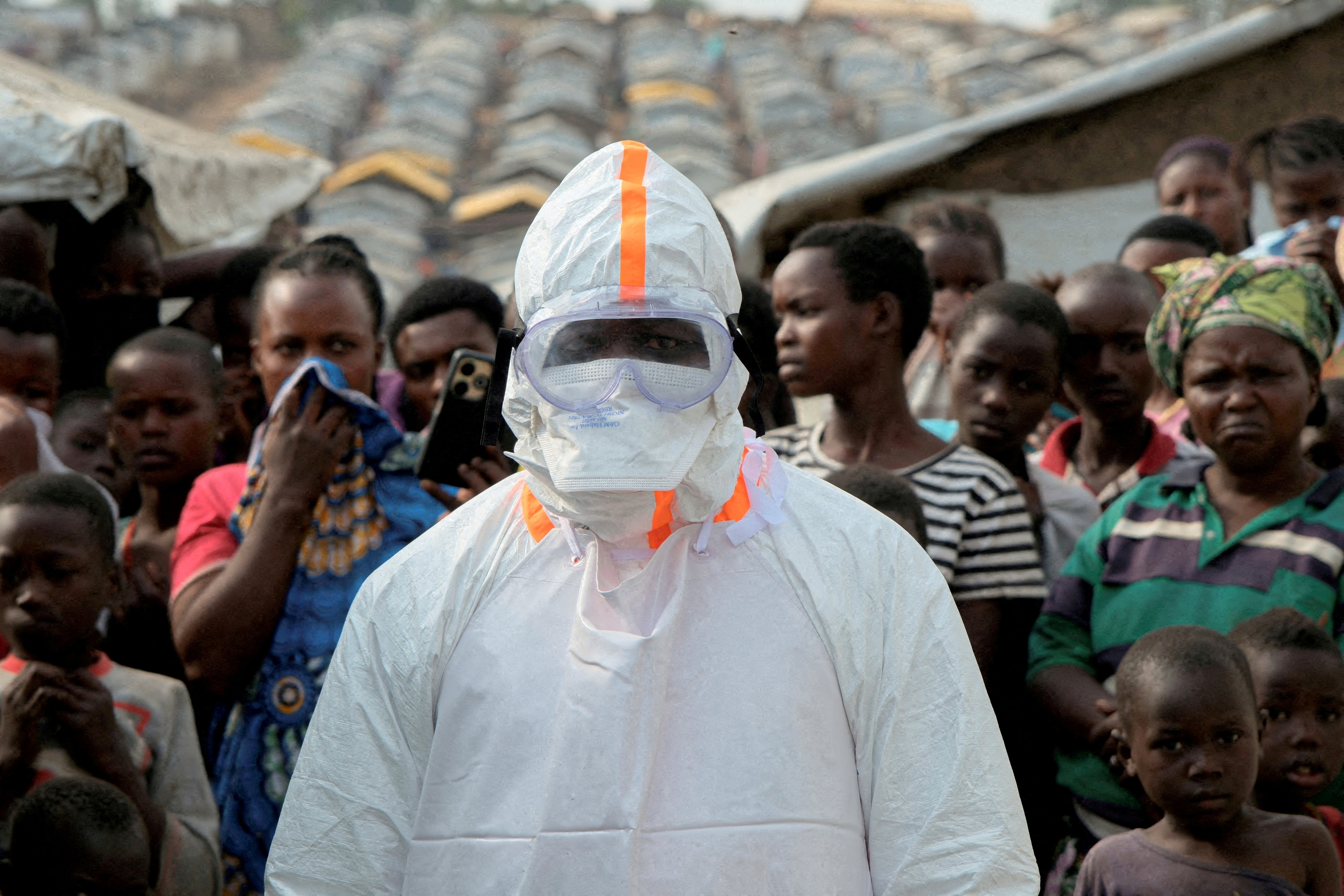
Patients with Ebola and healthcare workers fled a hospital in the eastern Democratic Republic of Congo (DRC) after an enraged mob attacked the facility. The incident occurred at the Nyakunde Hospital in Ituri province on Wednesday, when relatives of a deceased patient stormed the premises, throwing stones and damaging the surrounding fence. The mob's reaction was reportedly triggered by the death of a woman who had sought treatment at the hospital for severe anemia while giving birth. A hospital biologist, François Berocan Uderos, stated that the family offered to donate blood, but the hospital refused due to a prohibition on blood transfusions during Ebola outbreaks. Following the woman's death around 3 PM, the attack commenced, leading to the escape of approximately 10 Ebola patients and the departure of medical staff. The hospital's generator also stopped functioning. This event highlights the significant challenges faced by health authorities in combating Ebola in eastern DRC, where community mistrust, resistance, and insecurity have repeatedly hindered containment efforts. The current Ebola outbreak, the 17th in the DRC, began in mid-May and has spread rapidly, with over 2,073 confirmed cases and 796 deaths reported. The DRC army has launched an investigation into the disturbances at Nyakunde.
This incident underscores the critical tension between public health interventions and community trust, particularly in regions with a history of insecurity and skepticism towards external aid. The prohibition of blood transfusions, while potentially a necessary safety protocol during an Ebola outbreak, tragically collided with immediate familial needs, fueling the mob's anger. Such events reveal systemic challenges in outbreak response, where effective communication, community engagement, and addressing local concerns are as vital as medical resources. The recurring violence against health facilities in eastern DRC suggests a need for more robust security measures and, more importantly, a deeper understanding of the socio-cultural factors driving mistrust. Future strategies must prioritize building sustainable relationships with communities to ensure the safety of both patients and healthcare providers, thereby fostering an environment conducive to effective disease control and long-term public health resilience.
AI-generated to prompt reflection — not editorial opinion, not advice, not a statement of fact. How this works.