Ebola Research in DR Congo: A Race Against the Virus
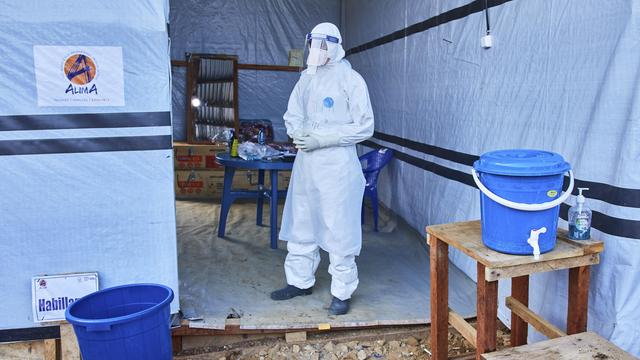
Researchers globally are intensifying their efforts to find a cure for Ebola, a virus that has historically held a significant advantage. However, a new experimental treatment, a cocktail referred to as MBP-134, shows promise in altering this dynamic. The urgency stems from the persistent threat of Ebola outbreaks, particularly in regions like the Democratic Republic of Congo (DRC). Scientists are working to develop faster and more effective responses to contain and eradicate the virus. The development of MBP-134 represents a potential breakthrough in this ongoing battle. This new approach aims to outpace the virus's spread and impact, offering hope for improved patient outcomes and public health security. The global research community is collaborating to accelerate the testing and deployment of such promising treatments. The success of MBP-134 could mark a turning point in managing Ebola outbreaks and preventing future epidemics. The race is on to determine if these advancements are sufficient to overcome the formidable challenge posed by the Ebola virus.
The development of novel therapeutic cocktails like MBP-134 signifies a critical advancement in the global health response to viral threats. By focusing on accelerating treatment development, researchers aim to shift the paradigm from reactive containment to proactive intervention against diseases like Ebola. This approach leverages scientific innovation to potentially mitigate the impact of outbreaks, addressing the inherent challenge of a virus's rapid transmissibility. The effectiveness of such treatments will depend on factors including rapid diagnostic capabilities, efficient supply chain logistics for distribution in challenging environments, and robust public health infrastructure to support their deployment. Future strategies will likely integrate these medical advancements with enhanced surveillance and community engagement to build more resilient global health security systems.
AI-generated to prompt reflection — not editorial opinion, not advice, not a statement of fact. How this works.