ECB President Outlines Factors Influencing Inflation and Growth Forecasts
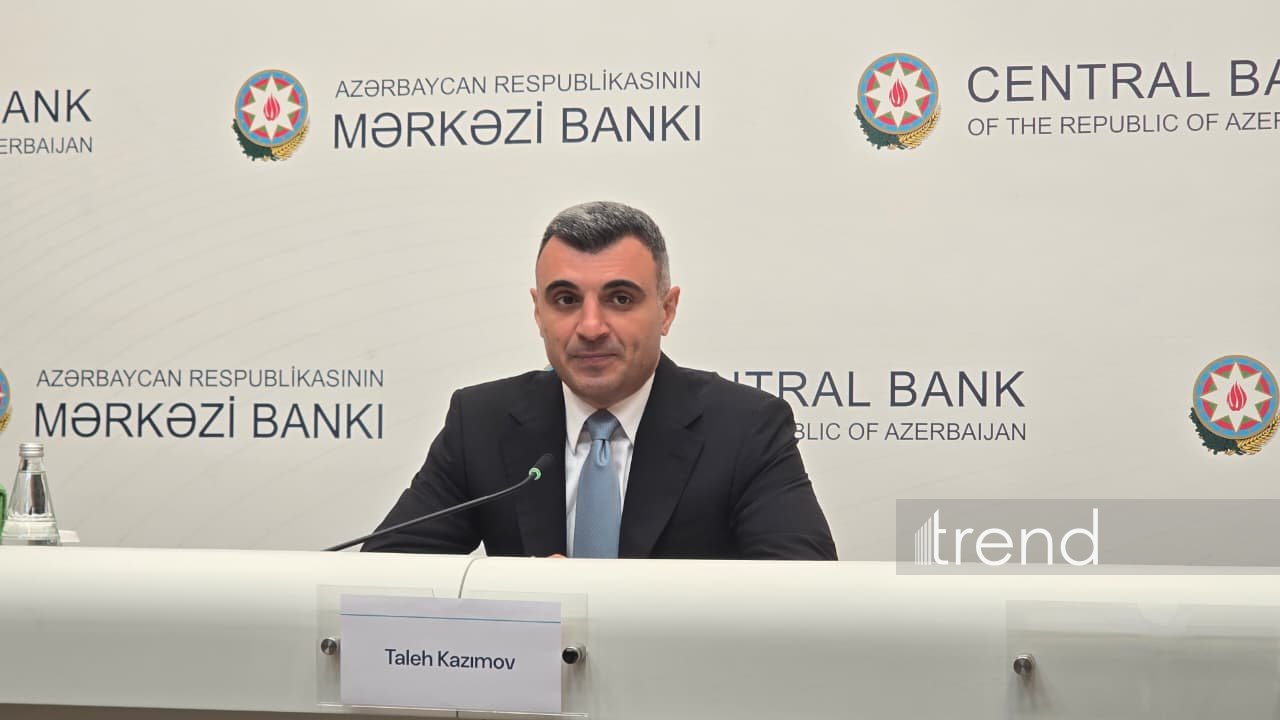
The President of the European Central Bank (ECB) has detailed the key factors that are currently shaping the bank's projections for inflation and economic growth. These factors are crucial for understanding the current economic landscape and the potential trajectory of the Eurozone's economy. The ECB's forecasts are closely watched by markets and policymakers alike, as they often signal future monetary policy decisions.
The President's remarks likely covered a range of domestic and international economic influences. These could include geopolitical events, energy prices, supply chain disruptions, and labor market dynamics. The interplay of these elements significantly impacts both the rate at which prices are rising (inflation) and the overall expansion of economic output (economic growth). The ECB's analysis aims to provide a clear picture of these complex relationships and their implications for the stability and prosperity of the Eurozone.
The ECB President's disclosure of factors influencing economic forecasts highlights the inherent complexity and interconnectedness of global economic drivers. By articulating these influences, the ECB signals its commitment to transparency in monetary policy formulation. This approach allows market participants to better anticipate potential policy shifts, thereby fostering more stable economic expectations. However, the effectiveness of these forecasts is contingent on the accurate assessment of volatile external shocks, such as geopolitical tensions and commodity price fluctuations, which can rapidly alter economic trajectories. The challenge for the ECB, and indeed for all central banks, lies in navigating these uncertainties to maintain price stability and support sustainable growth in the face of evolving global dynamics.
AI-generated to prompt reflection — not editorial opinion, not advice, not a statement of fact. How this works.