Economic Impact of 2026 World Cup Questioned; FIFA Seen as Primary Beneficiary
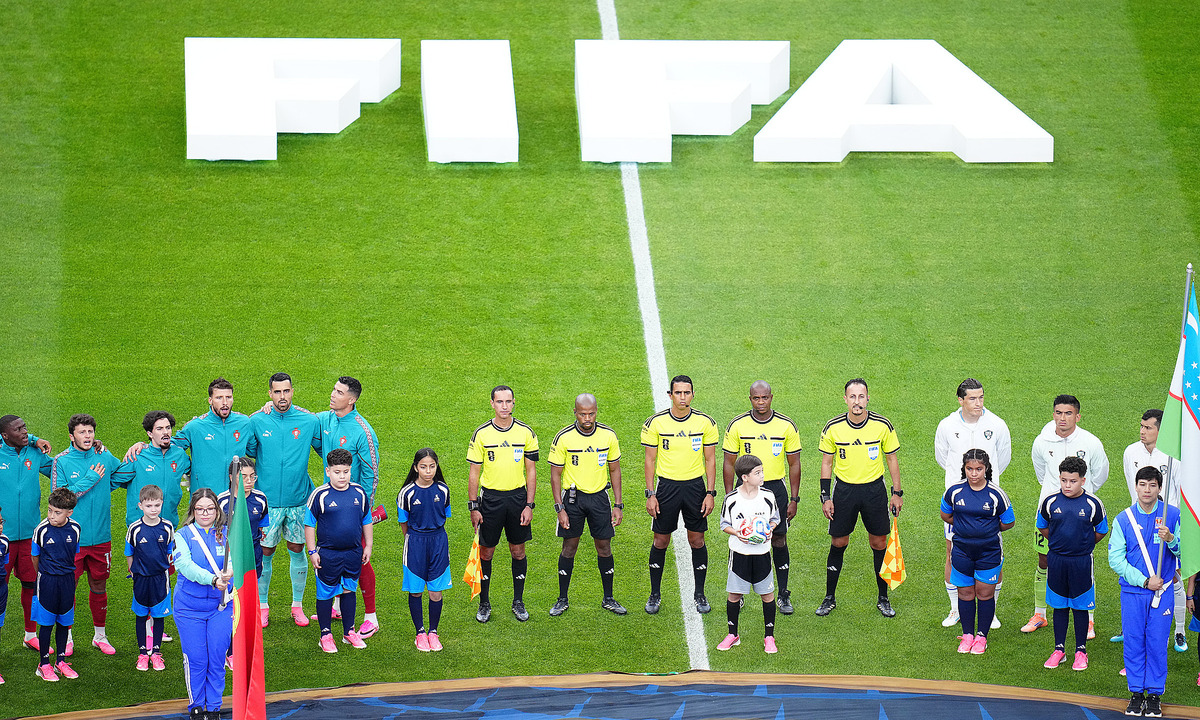
Experts are casting doubt on the significant economic benefits that the 2026 World Cup is expected to generate for its host nations: the United States, Canada, and Mexico. These specialists suggest that the actual economic value derived by the three countries will likely be minimal. In contrast, they believe that the Fédération Internationale de Football Association (FIFA) stands to gain the most from the event. The prevailing sentiment among these experts is that the financial advantages will disproportionately flow to FIFA, rather than being broadly distributed among the host countries. This perspective challenges the often-touted economic boons associated with hosting major international sporting tournaments, suggesting a more concentrated benefit for the organizing body.
The projected economic impact of major sporting events like the 2026 World Cup often involves complex calculations of direct spending, job creation, and tourism. However, analyses that highlight concentrated benefits for organizing bodies like FIFA, while questioning returns for host nations, suggest a need to scrutinize the allocation of revenues and the long-term economic sustainability of such mega-events. Understanding the contractual agreements and financial structures between FIFA and host countries is crucial to assessing the true distribution of economic gains. Future planning should consider mechanisms that ensure more equitable benefit-sharing and robust local economic development, aligning the incentives of global sports organizations with the public interest of host communities.
AI-generated to prompt reflection — not editorial opinion, not advice, not a statement of fact. How this works.