Economic Policy Shift: Consumption Tax Cut Becomes "Substantial" from "Zero"
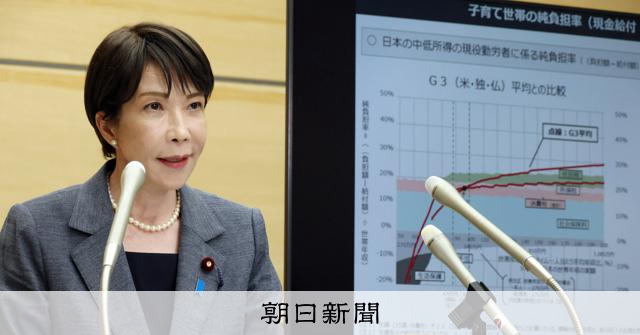
Prime Minister Fumio Kishida's administration is reportedly shifting its focus on consumption tax reduction from a complete "zero" to a "substantial" cut. This policy, a long-held ambition for some within the government, has undergone a significant reevaluation. The original goal was to eliminate the consumption tax entirely, a move that would have represented a major economic stimulus. However, the practicalities and potential economic impacts of a zero-tax scenario have led to a reconsideration of the policy's scope. The new approach aims to achieve a meaningful reduction in the consumption tax rate, rather than its complete abolition. This adjustment reflects a pragmatic approach to fiscal policy, balancing the desire for economic relief with the need for governmental revenue and economic stability. The specifics of the "substantial" reduction, including the new rate and implementation timeline, are expected to be detailed in upcoming policy announcements. This policy shift indicates a willingness to adapt economic strategies in response to evolving fiscal conditions and broader economic considerations.
The reported shift from a zero consumption tax to a substantial reduction signals a pragmatic recalibration of fiscal policy objectives. This adjustment likely stems from a recognition of the significant revenue implications and potential macroeconomic disruptions associated with eliminating consumption tax entirely. The move towards a "substantial" cut suggests a balancing act between stimulating domestic demand and maintaining fiscal sustainability. Policymakers are navigating the inherent tension between immediate economic relief and long-term budgetary health. This approach may be influenced by evolving economic forecasts and the need to avoid unforeseen consequences on government services or national debt. The administration's willingness to modify a previously stated ambitious goal indicates a responsiveness to economic realities and a strategic prioritization of achievable fiscal measures.
AI-generated to prompt reflection — not editorial opinion, not advice, not a statement of fact. How this works.