Economic Winners and Losers of the Expanded FIFA World Cup
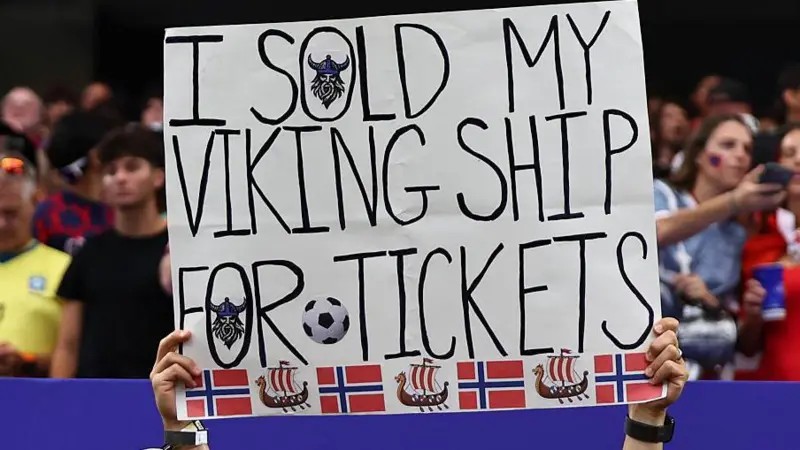
The 2026 FIFA World Cup, set to be the largest ever with 48 participating teams, is projected to generate record revenues, with FIFA expected to earn approximately $13 billion over the four-year cycle. FIFA's income streams include broadcasting rights, licensing, hospitality, sponsorships, and ticket sales, with the organization also implementing a 15% fee on its official ticket resale market. While FIFA and its official sponsors, such as Adidas and Coca-Cola, stand to gain significantly, the tournament presents a financial challenge for many fans. Ticket prices, especially for the final, have reached exorbitant levels, with official resale tickets for the final in New Jersey listed at $32,970 and some secondary market tickets exceeding $2 million. Beyond tickets, fans also face inflated costs for flights, food, and accommodation, exemplified by a significant price hike for train travel to the MetLife Stadium. Broadcasters like Fox Sports, despite substantial initial investments for broadcasting rights, are also expected to profit greatly from advertising revenue, particularly with the introduction of "hydration breaks" that offer additional commercial opportunities. These breaks, officially presented as a sporting measure, are seen by experts as a lucrative new avenue for advertisers. Celebrities like David Beckham continue to capitalize on the event's commercial appeal, with his co-owned Inter Miami club now valued at $1.45 billion. Conversely, the 16 host cities across the USA, Canada, and Mexico, while experiencing a short-term boost in tourism and hospitality, are unlikely to see significant long-term economic benefits. Experts suggest that while the event creates jobs, they are often low-wage positions in the hospitality sector, and the promised economic uplift may not materialize, with some cities potentially experiencing a post-tournament decline in visitors.
The expanded FIFA World Cup model, driven by increased participation and commercial opportunities, highlights a significant divergence in economic outcomes. While FIFA and its corporate partners leverage scale to maximize revenue through broadcasting, sponsorship, and dynamic pricing, the financial burden on attendees and host cities raises questions about equitable distribution of benefits. The introduction of new commercial avenues, such as "hydration breaks," demonstrates an ongoing innovation in monetizing sporting events, potentially setting precedents for future tournaments. This business model, focused on maximizing scale and revenue, may inadvertently exacerbate existing economic disparities, prompting consideration of long-term sustainability and fan accessibility in the evolving landscape of global sports economics.
AI-generated to prompt reflection — not editorial opinion, not advice, not a statement of fact. How this works.