Economics Debate: Ending Poverty and Protecting Earth
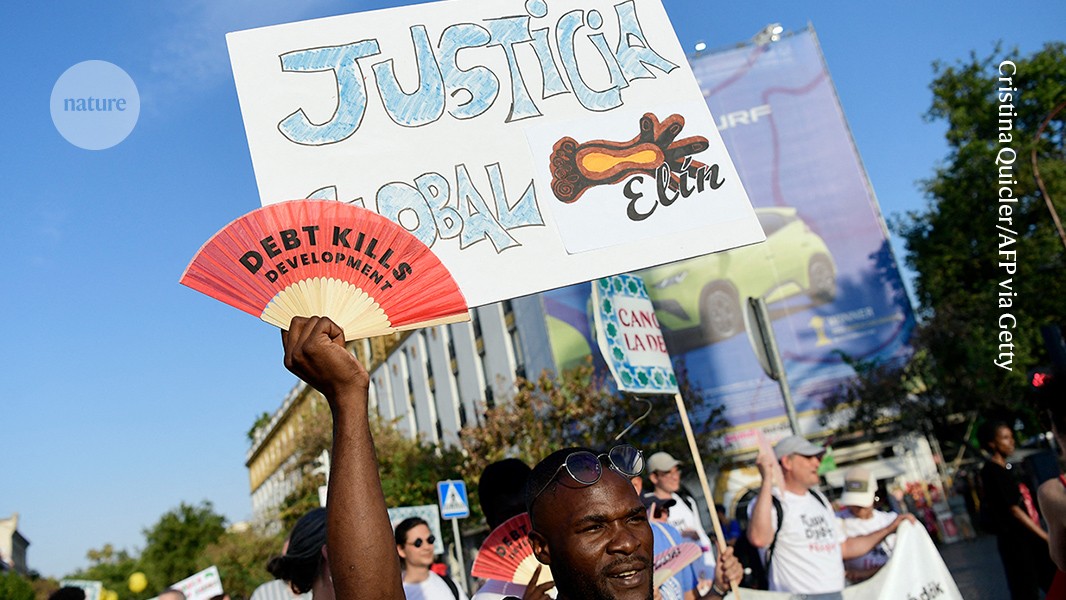
A significant debate is currently reshaping the field of economics, focusing on the dual challenges of eradicating poverty and safeguarding the planet. This discussion involves fundamental questions about the existing economic paradigms and their capacity to address these critical global issues. Economists and policymakers are grappling with how to reconcile economic growth with environmental sustainability. The core of the debate lies in whether current economic models can be adapted or if entirely new frameworks are needed. Key considerations include the distribution of wealth, resource management, and the long-term viability of current consumption patterns. The urgency of climate change and persistent global inequality are driving this re-evaluation. Researchers are exploring innovative solutions that could lead to both social equity and ecological balance. This intellectual ferment within economics suggests a potential shift in how societies approach development and prosperity in the coming decades. The outcome of this debate could have profound implications for global policy and future economic structures.
The current economic discourse highlights a critical tension between traditional growth-oriented models and the imperative for global equity and environmental stewardship. This debate reflects a growing awareness that unchecked economic expansion may be incompatible with planetary boundaries and social justice. The challenge lies in designing economic systems that decouple prosperity from resource depletion and pollution, while simultaneously ensuring a dignified standard of living for all. Future economic frameworks will likely need to incorporate ecological limits and social well-being as core metrics, moving beyond GDP as the primary measure of success. This necessitates a re-evaluation of incentives, investment priorities, and regulatory structures to foster a more sustainable and equitable global economy.
AI-generated to prompt reflection — not editorial opinion, not advice, not a statement of fact. How this works.