Economist Jeffrey Sachs highlights Hong Kong and Shenzhen's role in green and digital future
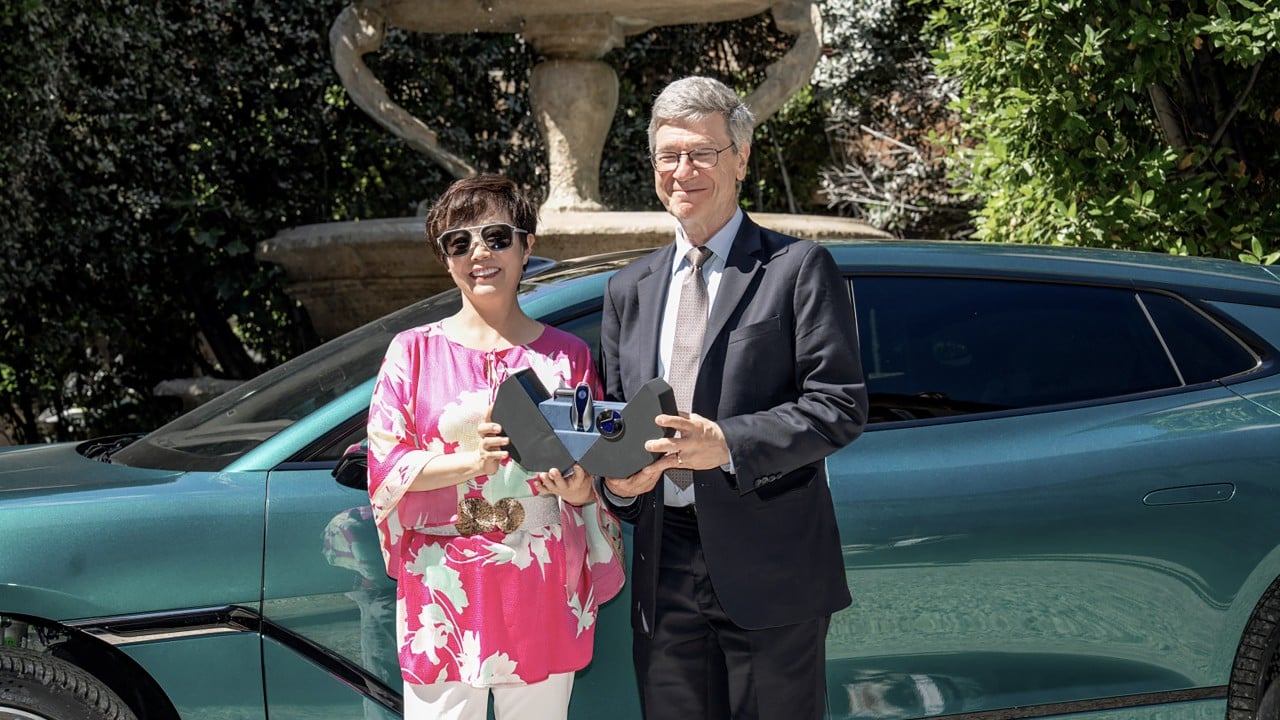
Renowned economist Jeffrey Sachs concluded an extensive overland journey, the Marco Polo Drive of Peace, Culture and Sustainable Development, in Hong Kong and Shenzhen. Sachs, a professor at Columbia University and former advisor to the UN secretary general, selected these cities as the endpoints due to their crucial contributions to the global green and digital economies. His journey commenced in Rome on June 13 and spanned 43 days, covering an impressive 15,000 kilometers (9,300 miles). The expedition was intended to convey a message of peace, cultural exchange, and sustainable development, mirroring the historical significance of the Silk Road. Sachs's choice of Hong Kong and Shenzhen underscores their contemporary importance as hubs driving innovation and progress in critical future-oriented sectors. The journey aimed to draw parallels between historical trade routes and modern global connectivity, emphasizing the evolving landscape of international cooperation and economic development.
The selection of Hong Kong and Shenzhen as symbolic endpoints for a modern Silk Road initiative, as highlighted by economist Jeffrey Sachs, points to a strategic reorientation of global economic narratives. This framing emphasizes the confluence of technological advancement and sustainable development as the new drivers of international connectivity, moving beyond traditional resource-based trade. The initiative implicitly suggests that future geopolitical and economic influence will be shaped by leadership in digital infrastructure and green technologies. It also invites consideration of the governance structures and international cooperation frameworks necessary to foster such development, particularly in the context of evolving global supply chains and digital trade regulations. The journey's symbolic resonance encourages reflection on how historical pathways of exchange can inform contemporary strategies for inclusive and sustainable global growth in the coming decade.
AI-generated to prompt reflection — not editorial opinion, not advice, not a statement of fact. How this works.