Economy Can Be Transformed Only Through Systemic Reform and Tech-Friendly Governance: Finance Minister
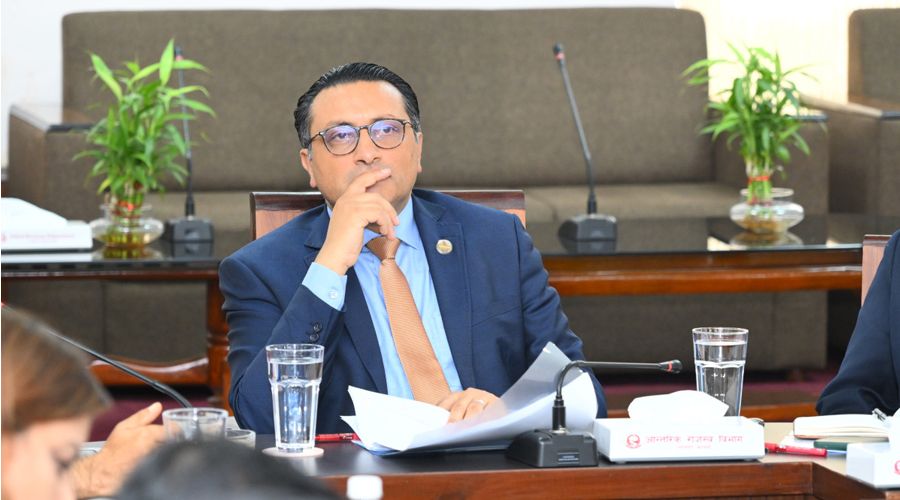
Finance Minister Dr. Swarnim Wagle stated that systemic reforms and the optimal use of modern technology are essential for a fundamental transformation of the country's economy. Addressing tax officials from across the country at the Inland Revenue Department in Lazimpat on Thursday, he directed them to reform the traditional administrative style and make it results-oriented. Minister Wagle emphasized that state policies and seed capital are crucial for economic development. He believes that the economy can only be revitalized through structural changes and by embracing technological advancements in governance. The minister's remarks highlight a commitment to modernizing administrative processes and leveraging technology to boost economic performance. This approach aims to move away from outdated methods towards a more efficient and effective system. The focus is on creating an administration that is not only efficient but also capable of delivering tangible results for the economy. The directive to tax officials signifies a push for greater accountability and performance measurement within the revenue collection system. Ultimately, the minister envisions a future where technology and systemic improvements drive Nepal's economic prosperity.
The Finance Minister's call for systemic reform and technological integration in governance signals a recognition of the limitations of traditional administrative approaches in driving economic growth. This perspective aligns with global trends where digitalization and efficient public administration are seen as key enablers of economic competitiveness. The emphasis on a results-oriented approach suggests a potential shift towards performance metrics and accountability within government agencies. By focusing on these areas, the minister aims to address potential inefficiencies and foster an environment conducive to economic development. The challenge lies in the effective implementation of these reforms, which often require significant investment, capacity building, and overcoming bureaucratic inertia. Future success will depend on the government's ability to translate these policy directives into concrete actions that demonstrably improve economic outcomes and public service delivery.
AI-generated to prompt reflection — not editorial opinion, not advice, not a statement of fact. How this works.