ECOWAS Approves Nigeria-Morocco Gas Pipeline Construction
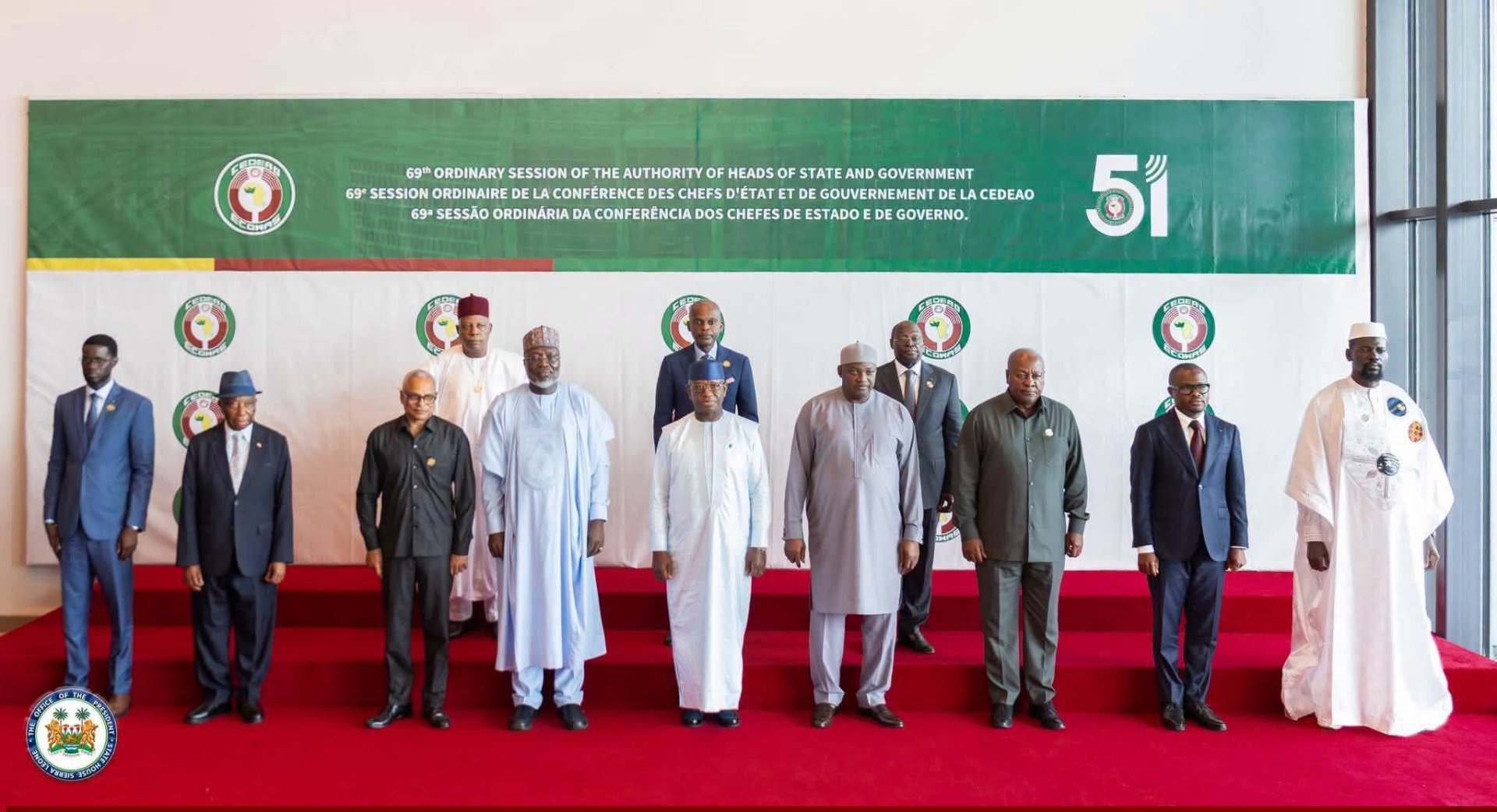
The Economic Community of West African States (ECOWAS) has officially approved the construction of the Nigeria-Morocco gas pipeline. This significant infrastructure project aims to transport natural gas from Nigeria, across several West African nations, and onward to Morocco. From Morocco, the pipeline is intended to connect to the European gas network, thereby diversifying energy supplies for the continent. The project has been in discussion for several years, with initial agreements signed between the involved countries and regulatory bodies. The approval by ECOWAS marks a crucial step forward, signaling a commitment from the regional bloc to facilitate the development of this ambitious energy corridor. The pipeline is expected to enhance energy security for participating nations and potentially stimulate economic growth through increased energy trade and associated infrastructure development. Further details regarding the financing, timeline, and specific routes are anticipated as the project moves into its planning and execution phases.
The ECOWAS approval of the Nigeria-Morocco gas pipeline signifies a strategic push towards energy integration and diversification within West Africa and its potential linkage to European markets. This initiative aligns with global trends of seeking alternative energy sources and enhancing supply chain resilience. However, the project's success will hinge on navigating complex geopolitical landscapes, securing substantial long-term investment, and ensuring robust environmental and security protocols are implemented across its extensive route. The decade ahead will likely test the project's adaptability to evolving energy technologies and fluctuating global demand, presenting both opportunities for regional development and challenges in managing cross-border cooperation and infrastructure maintenance.
AI-generated to prompt reflection — not editorial opinion, not advice, not a statement of fact. How this works.