ECOWAS Backs Nigeria-Morocco Gas Pipeline, Deliveries Expected by 2031
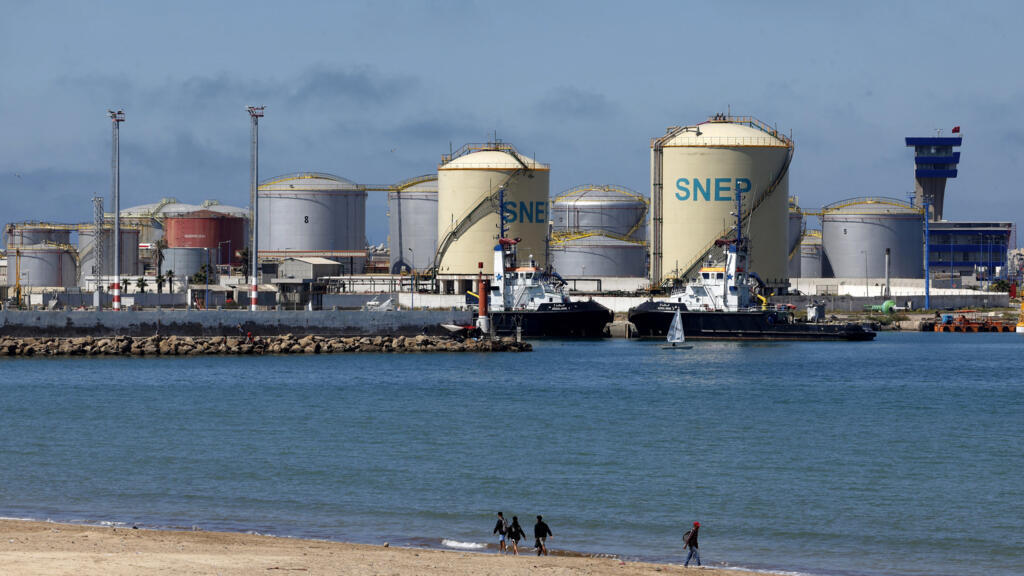
The Economic Community of West African States (ECOWAS) has signed an agreement supporting the Nigeria-Morocco gas pipeline project. This significant infrastructure initiative is set to traverse 13 countries, including Senegal, and is designed to transport 30 billion cubic meters of natural gas annually. The project aims to commence gas deliveries by the year 2031. The agreement marks a major step forward for the pipeline, which has been under consideration for some time. Its successful implementation could have substantial implications for energy security and economic development across the participating nations. The pipeline's route and scale highlight its ambition to connect major gas reserves with key markets. Further details regarding financing and construction timelines are anticipated as the project progresses.
The ECOWAS endorsement of the Nigeria-Morocco gas pipeline represents a significant geopolitical and economic development. By formalizing support, ECOWAS is signaling a commitment to regional energy integration and potentially leveraging natural gas resources for collective benefit. The projected 2031 delivery date suggests a long-term strategic vision, but also highlights the substantial logistical, financial, and regulatory hurdles that must be overcome. This project's success will depend on sustained political will across multiple nations, securing massive investment, and navigating complex environmental and security considerations. The initiative could reshape energy dynamics in West Africa and Europe, but also presents trade-offs regarding alternative energy transitions and the long-term demand for fossil fuels in an evolving global energy landscape.
AI-generated to prompt reflection — not editorial opinion, not advice, not a statement of fact. How this works.