Ecuador's 'Death Canal' Becomes Dumping Ground for Victims of Gang Violence
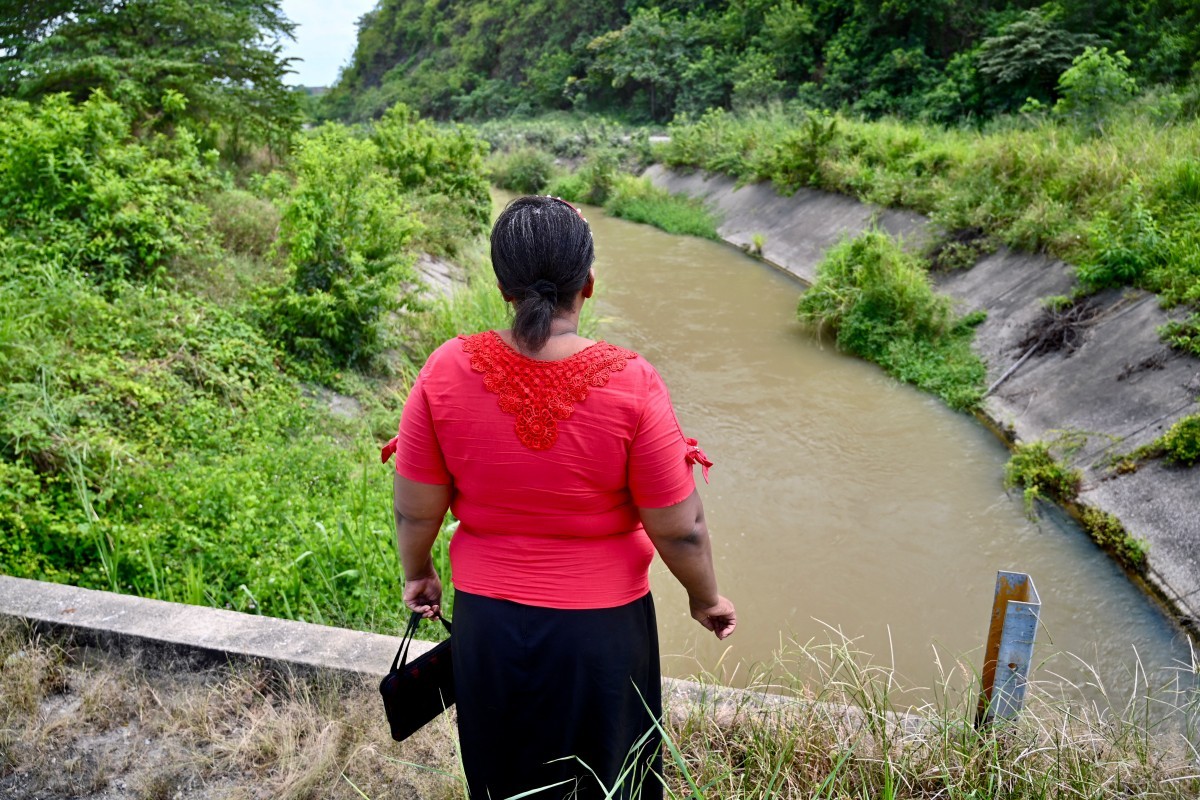
In Ecuador's Nueva Prosperina district, a nearly 45-kilometer irrigation canal, known as the 'Canal da Morte' or 'Death Canal,' has become a grim dumping ground for bodies, reflecting the country's escalating violence. Originally built for agriculture over a decade ago, the canal, now filled with contaminated water, has been used to dispose of bodies since the pandemic. The area, characterized by dirt roads, garbage, stray dogs, and vultures, lacks basic infrastructure like lighting and security cameras, and is reportedly controlled by armed men on motorcycles. Residents live in constant fear, with one community leader describing how 'death visits us.'
Forensic police have retrieved over 100 bodies from the canal since 2023, some found in bags, others naked, and in one instance, nine heads were discovered in a mass grave. Lieutenant Christian Echeverría noted that the canal is used to discard bodies, either executed nearby or upstream and carried by the current. Guayaquil, a strategic port city, is a key transit point for cocaine destined for the US and Europe, fueling organized crime. The United Nations Committee on Enforced Disappearances has received reports of at least 51 disappearances allegedly committed by state agents since 2024, with an increase in abuse allegations against police and military during President Daniel Noboa's anti-crime strategy. Despite a near-permanent state of exception, violence persists, with Guayaquil recording over 900 homicides between January and May of this year.
The 'Death Canal' in Guayaquil serves as a stark indicator of systemic governance failures and the profound impact of organized crime on public safety. The transformation of a public utility into a clandestine disposal site highlights a breakdown in state capacity to manage crime, enforce law, and protect citizens. The reported corruption within law enforcement, coupled with increased military and police action under a state of exception, raises critical questions about human rights and the effectiveness of current security strategies. This situation underscores the complex interplay between drug trafficking routes, local community vulnerability, and the erosion of trust in state institutions, demanding a comprehensive approach that addresses root causes of violence and strengthens accountability mechanisms beyond immediate security measures.
AI-generated to prompt reflection — not editorial opinion, not advice, not a statement of fact. How this works.