Ecuador's Laron Syndrome Community: Resilience Amidst Giants and Hope for a Cure
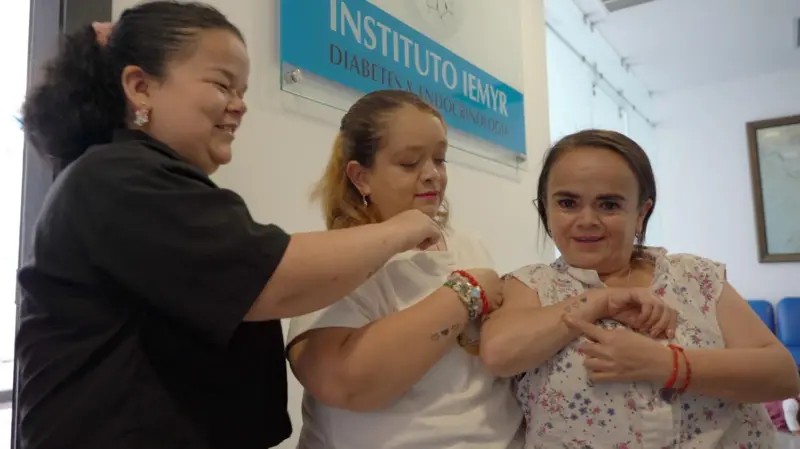
In Ecuador, approximately one-third of the world's 840 individuals with Laron syndrome reside, primarily in the southern provinces of El Oro and Loja. This rare genetic condition prevents the body from processing growth hormone, resulting in individuals not exceeding 1.20 meters (approximately 4 feet) in height. For those affected, the world presents daily challenges, with everyday objects and spaces designed for much taller people, leading to feelings of frustration and isolation. Many dream of achieving normalcy, such as reaching a height of 1.70 meters, starting a family, or securing employment that allows for travel.
Despite the physical limitations, Laron syndrome offers a unique biological benefit: a significantly reduced likelihood of developing cancer and diabetes. Endocrinologist Jaime Guevara, who has studied the condition for over two decades, notes that while the syndrome presents limitations, it also confers these protective health advantages. However, access to medical treatment, including a growth-promoting medication available for 20 years, remains a significant hurdle for many patients, even with legal mandates. The condition's origins are traced back to Sephardic Jewish populations in the Iberian Peninsula, with genetic mutations traveling through trade routes to the Middle East and eventually the Americas, leading to a concentrated population in isolated areas of Ecuador due to endogamy.
Individuals like Sara Espinoza, Paola Boada, María Gabriela García, and María del Cisne Romero share their personal struggles and aspirations, highlighting the emotional toll of societal perceptions and limited opportunities. María Gabriela García, for instance, faces employment discrimination and dreams of attending her sister's wedding in Spain, a goal hindered by her current income. The community, though facing adversity, finds strength in mutual support and resilience, as exemplified by María José and Lugarda, who encourage each other not to give up. The report also touches upon the historical discovery of the condition by Israeli pediatrician Zvi Laron in the 1950s and the genetic research tracing its roots to ancient populations.
The narrative surrounding Laron syndrome in Ecuador highlights a complex interplay between genetic predisposition, societal infrastructure, and public health access. While the condition confers a notable biological advantage against common chronic diseases like cancer and diabetes, the individuals affected face significant systemic challenges. These include environmental barriers in a world not designed for their stature, leading to practical difficulties and social isolation, often termed 'the disease of loneliness.' Furthermore, disparities in access to specialized medical treatments, despite legal entitlements, underscore broader issues of healthcare equity within the country, particularly for populations in remote regions. The concentration of the condition in specific geographic areas due to historical endogamy presents both a challenge for targeted support and an opportunity for focused research and community development. Future interventions should consider not only medical treatments but also adaptive infrastructure and social inclusion programs to mitigate the daily disadvantages faced by individuals with Laron syndrome, fostering a more equitable environment.
AI-generated to prompt reflection — not editorial opinion, not advice, not a statement of fact. How this works.