Ecuador's National Museum Design Sparks Controversy and Legal Challenges
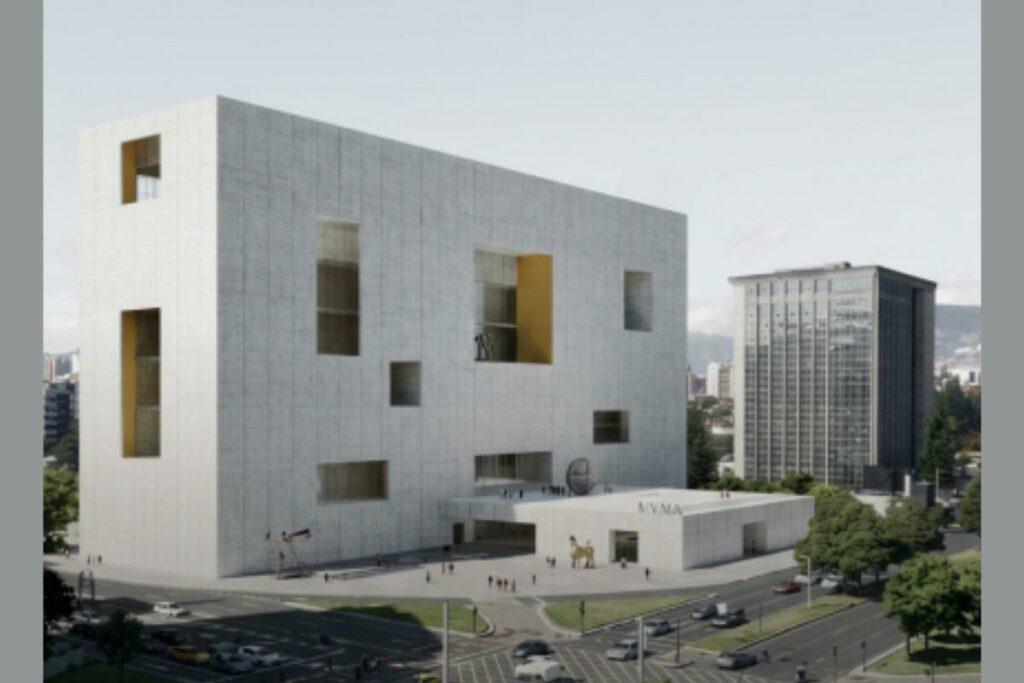
The design for Ecuador's National Museum (MuNa) is facing significant controversy, with a growing number of studies refusing to participate in the new tender. The architectural firm Estudio Campo Baeza is defending its proposal, titled ‘Ecos del Sol,’ against widespread criticism. The dispute centers on the design's suitability and the process by which it was selected. Critics argue that the chosen design does not adequately represent national identity or the museum's intended purpose. This opposition has led to a reluctance among other architectural firms to engage with the tender, potentially delaying or jeopardizing the project. Estudio Campo Baeza maintains that their design is innovative and respectful of the cultural context. However, the backlash suggests a deeper disagreement about the museum's future direction and its role in Ecuadorian society. The situation highlights challenges in balancing artistic vision with public expectation and institutional requirements in major cultural projects.
The controversy surrounding the MuNa design highlights a common tension in public cultural projects between the aspirations of architectural innovation and the need for broad public and professional consensus. The refusal of studies to participate in the tender suggests a perceived flaw in either the design's merit, the selection process, or the tender's terms, potentially indicating governance issues. Future museum projects might benefit from more inclusive design competitions and transparent evaluation criteria to mitigate such disputes. This situation also underscores the evolving role of national museums in contemporary society, where they are expected to be both cultural repositories and dynamic public spaces, a balance that can be difficult to achieve through a single design vision.
AI-generated to prompt reflection — not editorial opinion, not advice, not a statement of fact. How this works.