Ecuador's US Anti-Drug Alliance Faces Scrutiny Over Rights Abuse Allegations
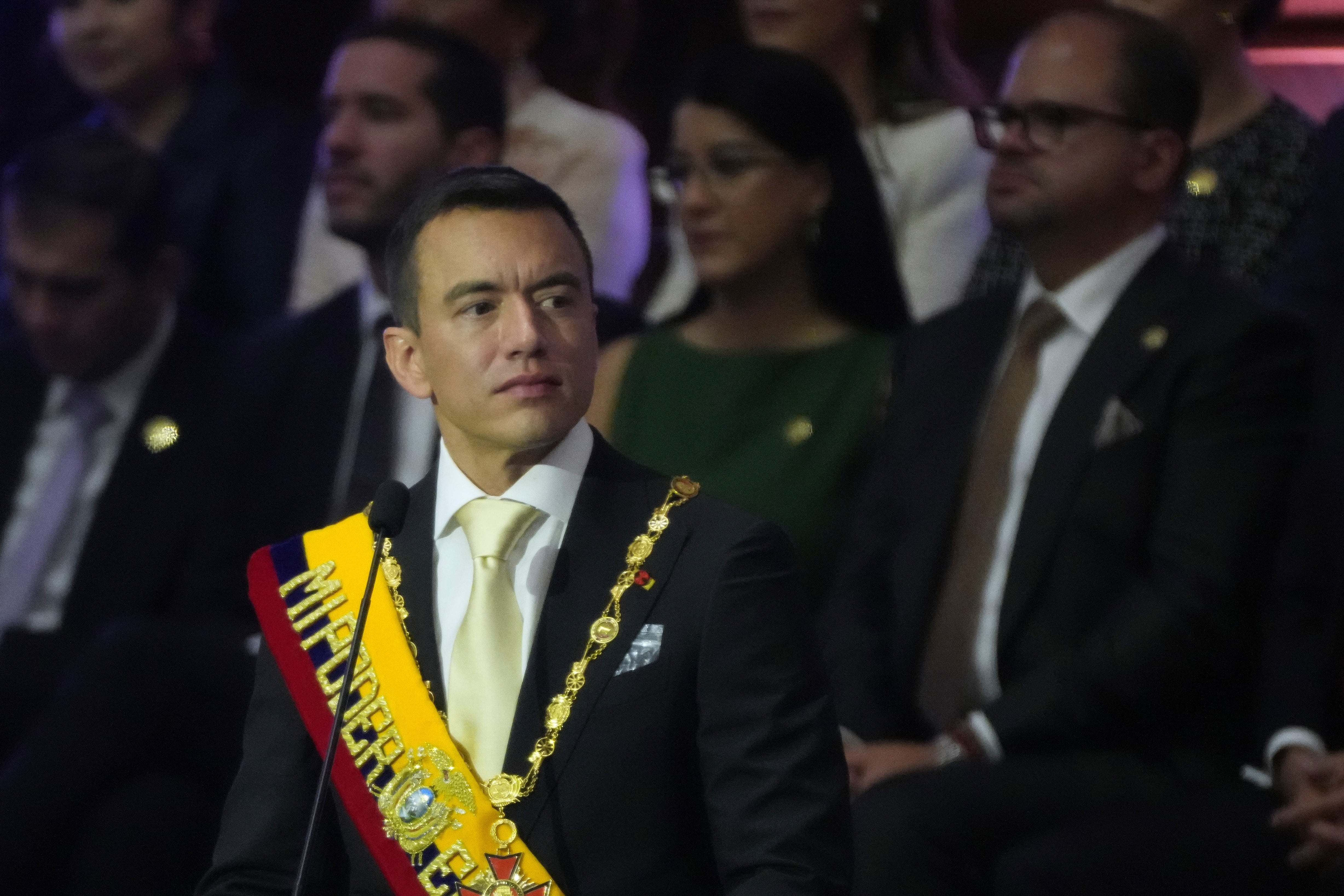
Human Rights Watch has released a report detailing four operations where human rights violations occurred during Ecuador's collaboration with the United States in the war against drug trafficking. The report raises serious questions about the lack of oversight mechanisms governing this international cooperation. President Daniel Noboa's administration has been working closely with the US on security initiatives aimed at combating organized crime and drug cartels. However, these alleged abuses cast a shadow over the effectiveness and ethical implications of these joint efforts. The findings suggest a critical need for stronger accountability measures to ensure that counter-narcotics operations do not infringe upon fundamental human rights. The report specifically highlights instances where individuals may have been subjected to mistreatment or unlawful actions. This documentation by Human Rights Watch serves as a stark reminder of the potential pitfalls in security partnerships, even when focused on combating serious criminal enterprises. The Ecuadorian government is now under pressure to address these allegations and review its cooperation protocols with international partners. The implications of these findings could impact future security agreements and the broader approach to drug interdiction strategies.
The report by Human Rights Watch highlights a critical tension between national security objectives and the protection of human rights in international cooperation against drug trafficking. The documented violations suggest potential systemic weaknesses in oversight and accountability frameworks governing joint operations between Ecuador and the United States. This situation raises questions about the incentive structures driving these partnerships: are security gains prioritized over due process and fundamental rights? Moving forward, robust independent monitoring and transparent reporting mechanisms will be essential to ensure that counter-narcotics efforts align with international human rights standards. Failure to address these concerns could not only undermine public trust but also create legal and reputational risks for both nations, potentially impacting the long-term sustainability of such alliances in an era increasingly focused on ethical governance and rule of law.
AI-generated to prompt reflection — not editorial opinion, not advice, not a statement of fact. How this works.