Edible Flowers: From Your Garden to Your Plate
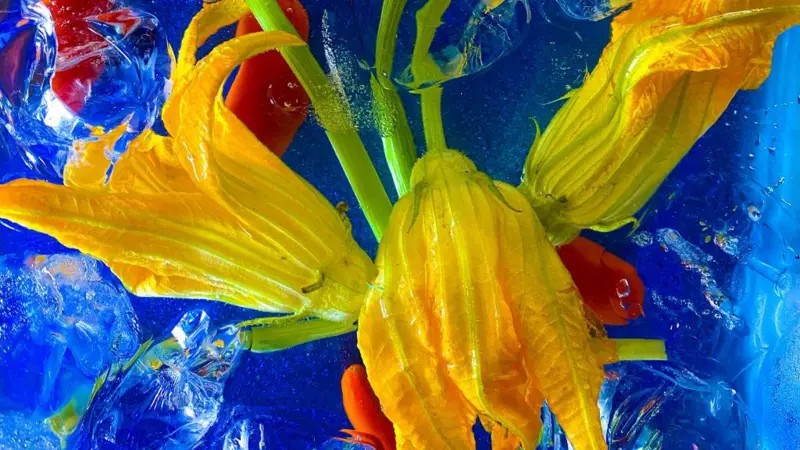
Flowers have been a part of human gastronomy for millennia, offering both beauty and flavor. The rose, for instance, has a long culinary history, notably featured in Laura Esquivel's novel "Like Water for Chocolate" where its petals were used to imbue dishes with passion, aroma, and taste, while also providing vitamin C and antioxidants. Similarly, orange blossoms perfume traditional baked goods like Mexico's "Pão dos Mortos" and Spain's "Rosca de Reis," and lavender was popular among ancient Romans and Victorians for teas and cookies, both known for their relaxing properties. The pumpkin flower, native to Central America, boasts an ancient history of cultivation, dating back over 10,000 years, and is now a staple in Italian cuisine, often stuffed and fried. Many common vegetables and spices are botanically inflorescences or buds, including broccoli, cauliflower, and artichokes, which are harvested before fully blooming. Capers are also closed flower buds, and cloves are dried flower buds from the clove tree. Saffron, the world's most expensive spice, consists of the stigmas of the Crocus sativus flower, requiring 150,000 flowers for just 1 kg. Other notable edible flowers include hibiscus, known for its tart, ruby-red calyces used in drinks and dishes, and bougainvillea (primavera), whose colorful bracts offer a subtly sweet and floral flavor, used in beverages and syrups. The yucca flower, a culinary treasure of Central America, has a slightly bitter taste reminiscent of asparagus and is prepared by boiling before being added to various dishes. Nasturtiums, originating from the Andes, are a classic edible flower with a peppery, mustard-like flavor, with the entire plant being edible.
The article highlights the historical and diverse culinary uses of edible flowers across various cultures, presenting them as a natural and accessible food source. It contextualizes their consumption by noting that many common vegetables, such as broccoli and artichokes, are botanically flowers or flower buds. The piece also touches upon the potential health benefits of certain flowers, citing their antioxidant properties and mentioning preliminary research into their effects on cardiovascular health and metabolism. However, it appropriately cautions that observed benefits are often dependent on preparation and quantity, and that more research is needed to confirm specific health advantages. The analysis should focus on the systemic integration of floral elements into diets, the potential for expanding their use in modern cuisine, and the importance of responsible sourcing and preparation to ensure safety and efficacy, particularly as interest in novel food sources grows.
AI-generated to prompt reflection — not editorial opinion, not advice, not a statement of fact. How this works.