Edible or Poisonous? What Mushroom Enthusiasts Need to Know
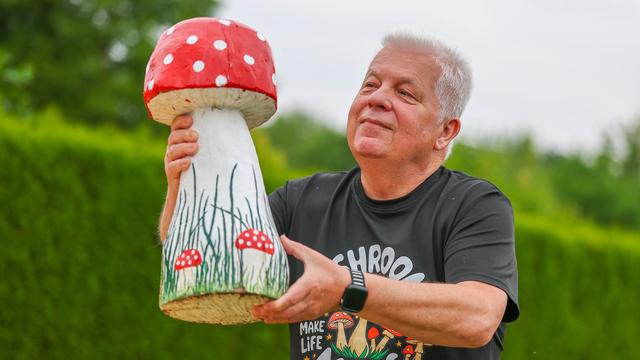
Mushroom foraging is a popular activity, but it carries significant risks due to the presence of poisonous species that can be mistaken for edible ones. Experts emphasize the critical importance of absolute certainty when identifying wild mushrooms. Even slight doubt should lead to discarding the mushroom. The consequences of misidentification can range from mild gastrointestinal upset to severe poisoning, organ damage, and even death.
Professional mycologists and experienced foragers stress that there are no simple rules or universal tests to distinguish edible from poisonous mushrooms. Relying on folklore, such as whether animals eat a certain mushroom, is dangerous and unreliable. The only safe method involves thorough knowledge of specific species, often gained through years of study and practice, or by consulting with recognized experts.
For beginners, it is strongly advised to only consume mushrooms identified by a trusted expert or purchased from reputable sources. Participating in guided foraging tours led by experienced mycologists can also be a safe way to learn. The German Association of Mycology provides resources and guidance for mushroom enthusiasts, highlighting the need for caution and education in this potentially hazardous hobby.
The allure of wild mushroom foraging presents a clear public health challenge, balancing recreational enjoyment with the inherent risks of biological misidentification. The critical need for expert-level knowledge underscores a broader societal challenge in an era of readily available but often unverified information. While digital tools and crowdsourced identification apps are emerging, their reliability for life-or-death decisions like mushroom consumption remains unproven, highlighting the persistent value of deep, specialized human expertise. This situation prompts consideration of how to bridge the knowledge gap safely, perhaps through enhanced educational programs, standardized certification for foragers, or the development of more robust, AI-assisted identification systems that can be rigorously validated against established mycological standards, ensuring that the pursuit of nature's bounty does not lead to preventable harm.
AI-generated to prompt reflection — not editorial opinion, not advice, not a statement of fact. How this works.