Edinburgh Implements Tourist Tax on Overnight Stays
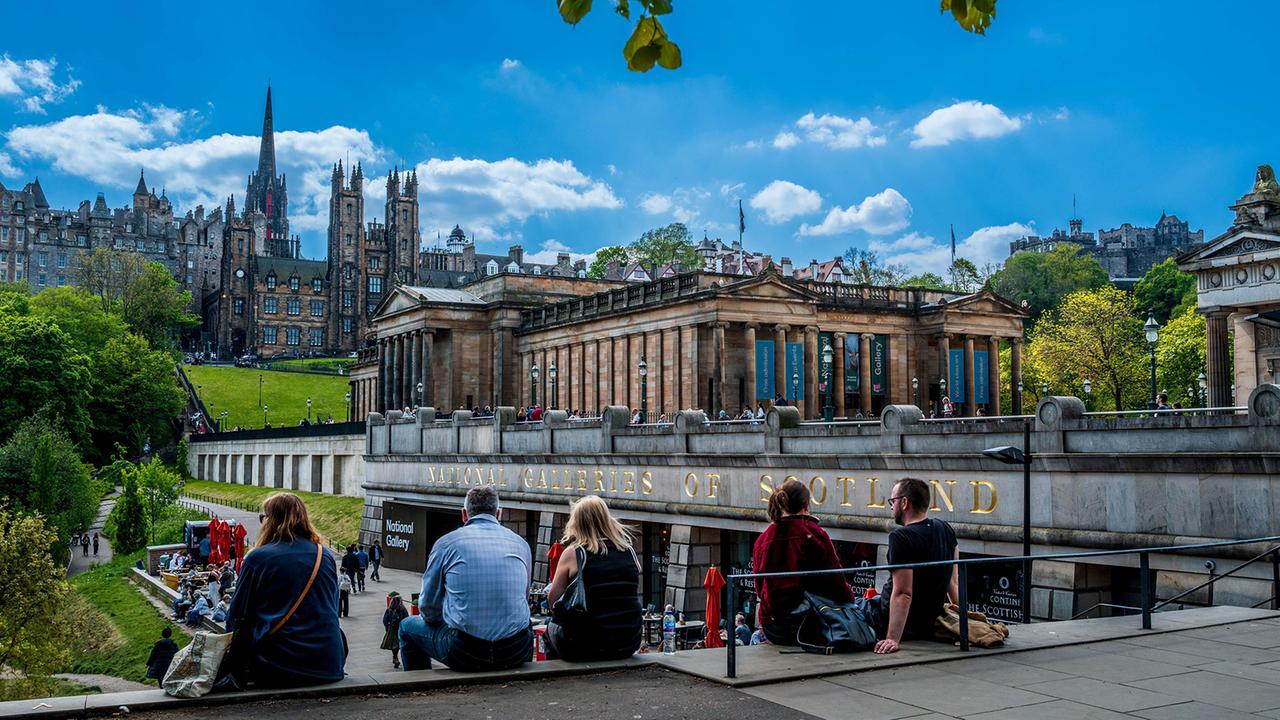
Edinburgh, the capital of Scotland, has become the first city in the country to introduce a tourist tax. Effective immediately, visitors will be required to pay an additional five percent for their overnight accommodations. This new levy aims to generate revenue from tourism, which significantly impacts the city's infrastructure and services. The implementation marks a notable shift in how tourist economies are managed within Scotland, potentially setting a precedent for other cities. The tax applies to all types of paid accommodation, including hotels, bed and breakfasts, and short-term rentals. The collected funds are expected to be reinvested into local tourism initiatives and infrastructure improvements. This measure is anticipated to affect the cost of visiting Edinburgh for both domestic and international travelers.
The introduction of a tourist tax in Edinburgh represents a strategic fiscal policy shift, aiming to capture economic value generated by visitor activity. This move reflects a growing trend among global cities to leverage tourism for local development and infrastructure funding. The five percent levy is likely designed to balance the economic benefits of tourism with its associated costs on public services and infrastructure. Future considerations may involve monitoring the tax's impact on tourism volume and competitiveness compared to other destinations, as well as exploring efficient mechanisms for fund allocation to ensure tangible benefits for both residents and visitors. This policy could influence urban planning and economic development strategies in other Scottish cities and beyond.
AI-generated to prompt reflection — not editorial opinion, not advice, not a statement of fact. How this works.