Eduardo Velloso Confirmed as Solidariedade's Senate Candidate for Acre
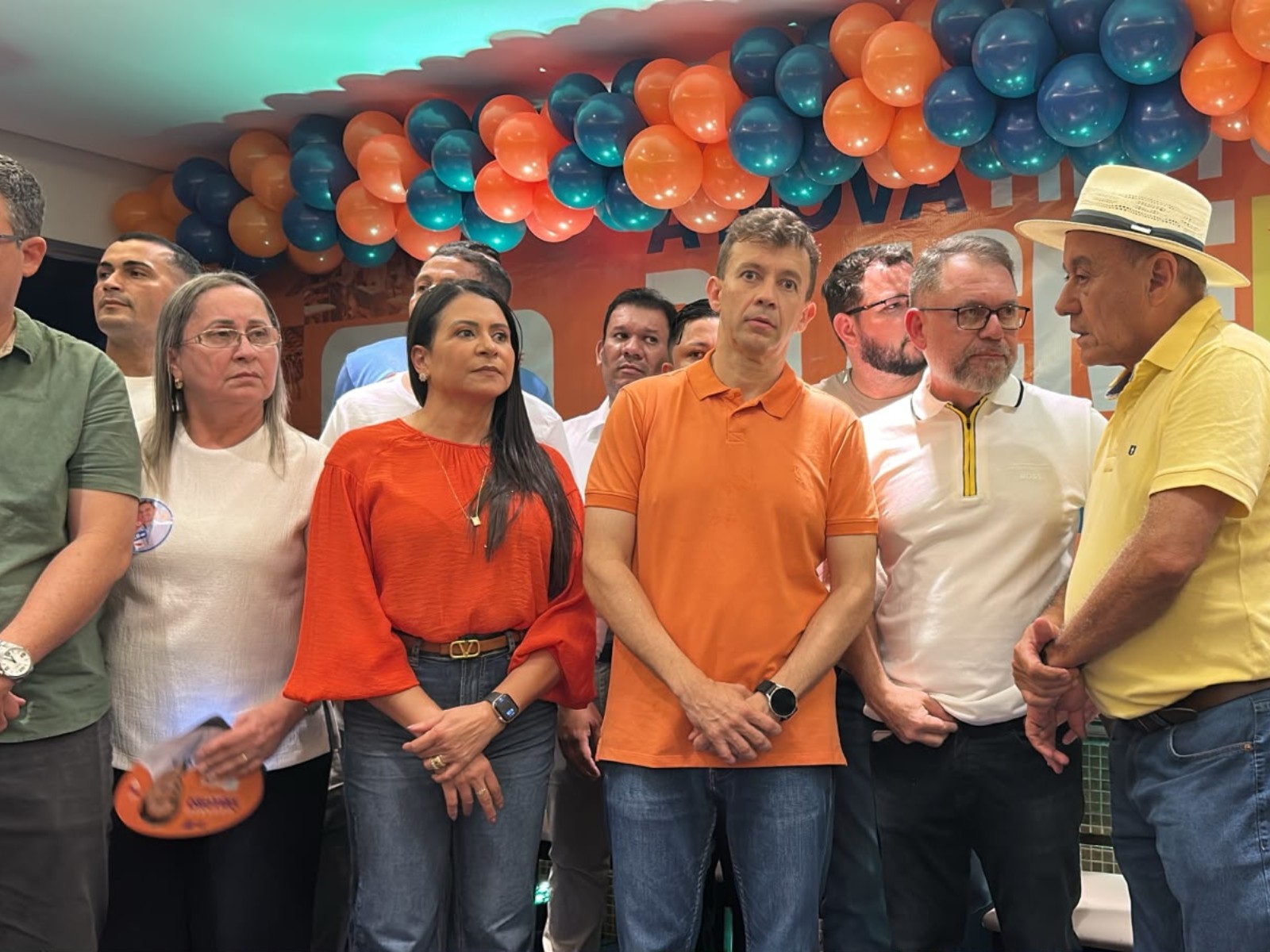
The Solidariedade party has officially confirmed Federal Deputy Eduardo Velloso as its candidate for the Federal Senate representing Acre. This decision was made during the party's convention held on Monday, August 3rd, in Rio Branco. Velloso, who is currently a federal deputy, will be running for a Senate seat as a principal candidate for the first time. One of his running mates for the Senate position will be Vando Torquato, the former mayor of Tarauacá. Velloso stated that his primary campaign focus will be on healthcare, but he also intends to address the state's development through infrastructure improvements, including federal highways and connectivity to the Pacific. He emphasized the need to discuss forest reform and ensure that the population of Acre, a resource-rich state, does not live in poverty. Despite Solidariedade not forming a coalition or federation, Velloso will endorse Tião Bocalom of the PSDB for governor. Velloso first entered politics in 2022, winning a seat as a federal deputy with 16,786 votes. He briefly served as a substitute senator in 2022 during Senator Márcio Bittar's leave. He took a 120-day leave from his federal deputy duties in December 2023 for personal reasons, returning in April 2024. Velloso was recently identified as a target in Federal Police Operation Graco, investigating alleged misuse of public funds from parliamentary amendments, a claim his office denies, stating adherence to legal procedures. His name also surfaced in connection with the death of Maicline Borges in January 2019.
The confirmation of Eduardo Velloso's Senate candidacy highlights the strategic maneuvering within Brazilian state politics as parties solidify their electoral platforms. Velloso's stated priorities—healthcare and infrastructure development, particularly the connection to the Pacific and forest reform—reflect common regional development narratives. His endorsement of the gubernatorial candidate, despite the absence of a formal coalition, indicates a pragmatic approach to maximizing electoral influence. The mention of Operation Graco and the Maicline Borges case introduces potential reputational challenges, underscoring the importance of transparency and due diligence in public office. Future political actors will need to navigate these complexities, balancing personal ambition with public accountability and the rigorous scrutiny of governance processes, especially concerning the allocation of public funds and the impact of policy decisions on regional development and environmental stewardship.
AI-generated to prompt reflection — not editorial opinion, not advice, not a statement of fact. How this works.
