Education is a Right, Not a Market Transaction
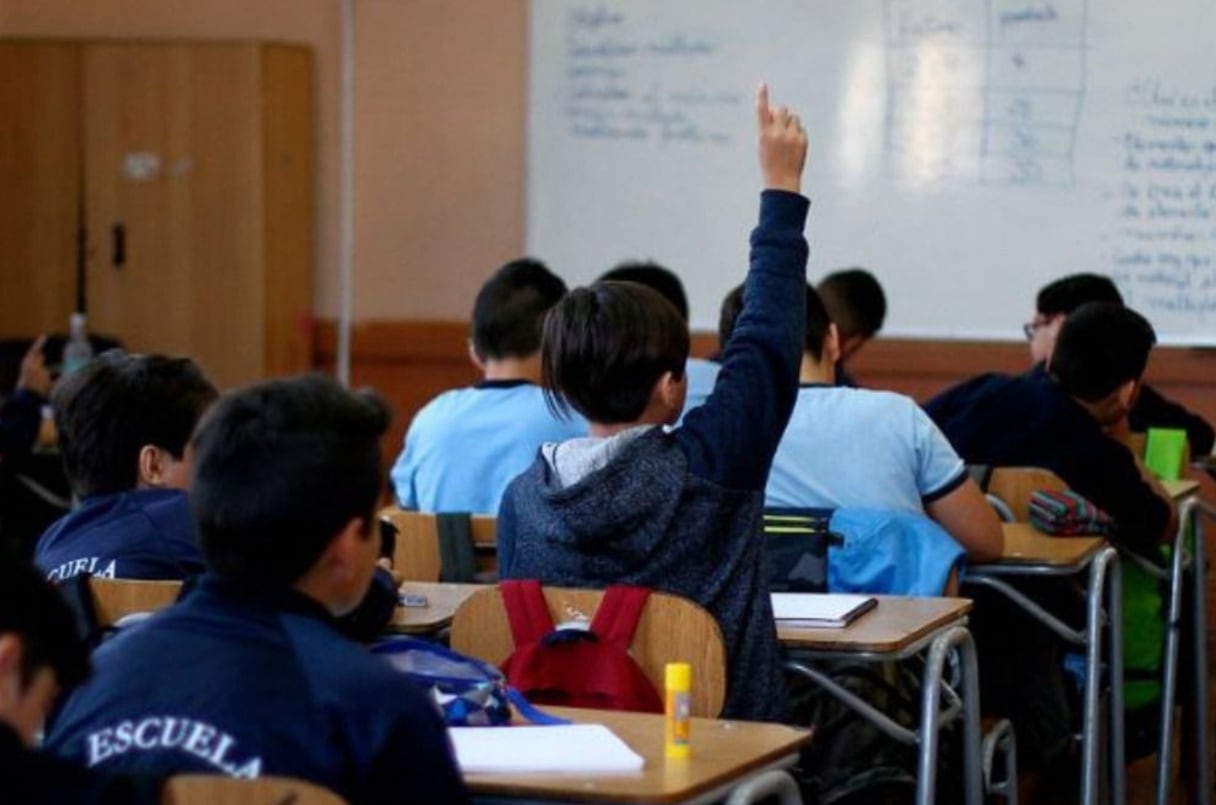
Ingrid Olea, Executive Director of Educación 2020, contests Claudio Sapelli's comparison of the student-school pairing to a worker-job pairing, which implies a creation of value. Olea argues that this logic suggests some 12-year-old children detract from a classroom's value. She emphasizes that while a worker might not be hired if they are not profitable for a company, a child is not a productive input. Education, she asserts, is a guaranteed right, not a market relationship. Measuring a student's contribution in terms of profitability undermines the fundamental purpose of education, which is to cultivate active citizens engaged with their diverse and democratic surroundings. Olea's perspective highlights the intrinsic value of education beyond economic metrics.
The assertion that educational outcomes can be framed through a market-based value creation lens, akin to labor economics, risks mischaracterizing the fundamental purpose of schooling. By suggesting students might 'subtract value,' it implies a transactional model where educational institutions operate as profit centers. This perspective conflicts with the widely recognized principle of education as a public good and a human right, essential for fostering informed citizenship and social cohesion. Such a market-driven approach could inadvertently incentivize policies that prioritize measurable economic returns over holistic development, potentially marginalizing students who do not fit a narrow definition of 'profitable' or 'value-adding.' Future educational systems may need to balance resource allocation with a steadfast commitment to equitable access and the intrinsic value of learning for all.
AI-generated to prompt reflection — not editorial opinion, not advice, not a statement of fact. How this works.