Education Minister Dharmendra Pradhan Resigns Amid NEET Exam Controversy
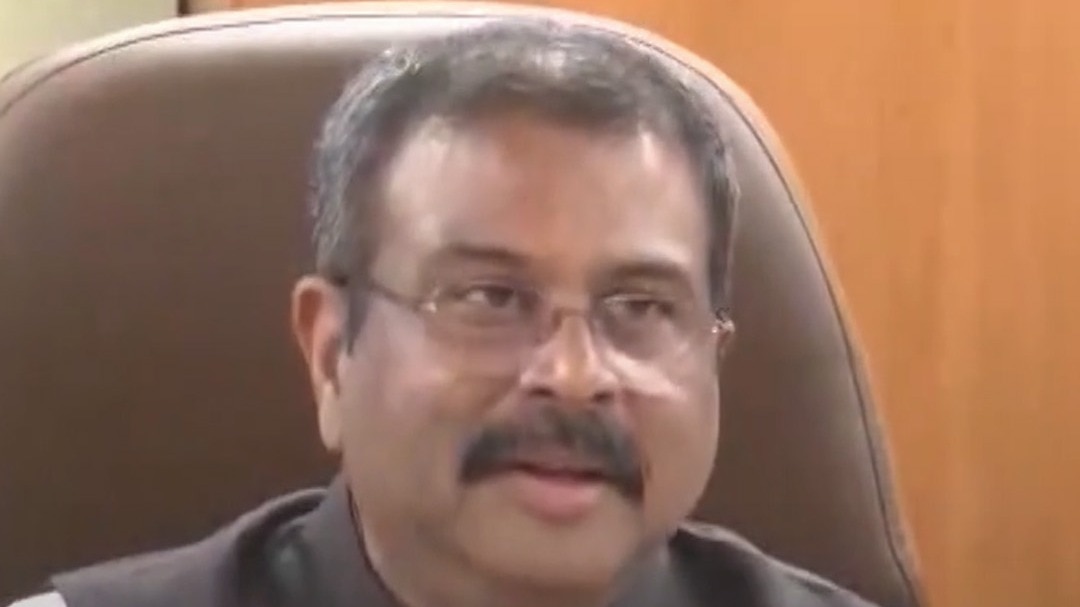
Union Education Minister Dharmendra Pradhan has announced his resignation from his post amidst the ongoing controversy surrounding the NEET UG examination and student protests. Pradhan stated that this decision was made to shield students' futures from legal and political disputes. In his letter, he also highlighted the steps taken by the government and expressed gratitude to all his colleagues. The announcement comes as the National Eligibility cum Entrance Test (NEET) for undergraduate admissions has faced significant backlash. Students and various groups have raised concerns about alleged irregularities and malpractices in the examination process. The ministry has been under pressure to address these issues and ensure the integrity of the entrance exams. Pradhan's decision aims to de-escalate the situation and provide a path forward for the affected students. The government has previously indicated that it is taking the allegations seriously and is committed to a thorough investigation. This move by the Education Minister is seen as an attempt to separate the examination process from political maneuvering and legal challenges.
The resignation of the Union Education Minister amid the NEET UG exam controversy highlights the intense public scrutiny and political pressure associated with national-level entrance examinations. This event underscores the critical need for robust, transparent, and secure examination systems in India's competitive educational landscape. The minister's stated rationale—protecting students' futures from protracted legal and political battles—points to a systemic challenge in balancing administrative accountability with public trust. Moving forward, the focus will likely shift to reforming examination governance, potentially involving independent oversight bodies and enhanced technological safeguards to prevent future disruptions and allegations of impropriety. The long-term implications may involve a re-evaluation of centralized examination models and a greater emphasis on decentralized, secure assessment methods to ensure fairness and maintain the credibility of higher education admissions.
AI-generated to prompt reflection — not editorial opinion, not advice, not a statement of fact. How this works.