Egypt Faces Extreme Heat: How People Cope Without Widespread Air Conditioning
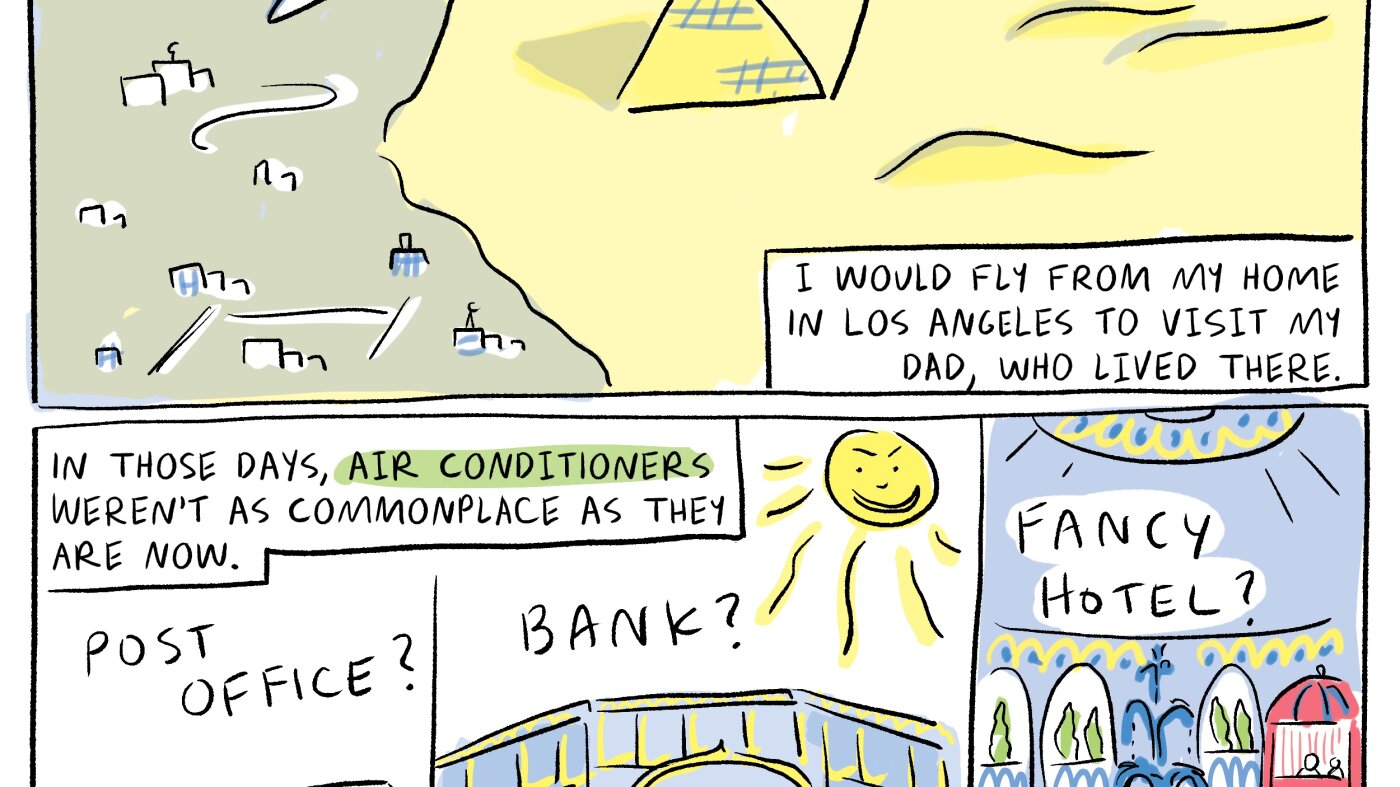
As temperatures in Egypt are predicted to reach 106 degrees Fahrenheit this week, many are wondering how people manage to stay cool, especially considering that air conditioning was not common in the 1990s. The author recalls learning methods for coping with extreme heat during that era. The current prediction for the summer of 2026 suggests a return to intensely hot conditions, prompting a look at contemporary strategies for heat resilience. This situation highlights the ongoing challenge of adapting to rising temperatures, particularly in regions where widespread access to cooling technologies may be limited. The article implies a need for effective, accessible solutions to ensure public well-being during heatwaves. It raises questions about the evolution of cooling practices and their accessibility over the decades. The focus is on the practicalities of surviving and maintaining comfort in a significantly hot climate.
The predicted extreme temperatures in Egypt underscore the growing global challenge of heatwaves, exacerbated by climate change. As air conditioning remains a luxury for many, societies must develop and implement sustainable, low-cost cooling strategies. This situation prompts consideration of traditional coping mechanisms, urban planning that incorporates natural cooling, and public health infrastructure designed to mitigate heat-related illnesses. The long-term implications involve ensuring equitable access to cooling solutions and building resilience against increasingly severe weather events, particularly in developing economies.
AI-generated to prompt reflection — not editorial opinion, not advice, not a statement of fact. How this works.