Egypt's 1952 Revolution: Army Ousts Monarchy Without Bloodshed
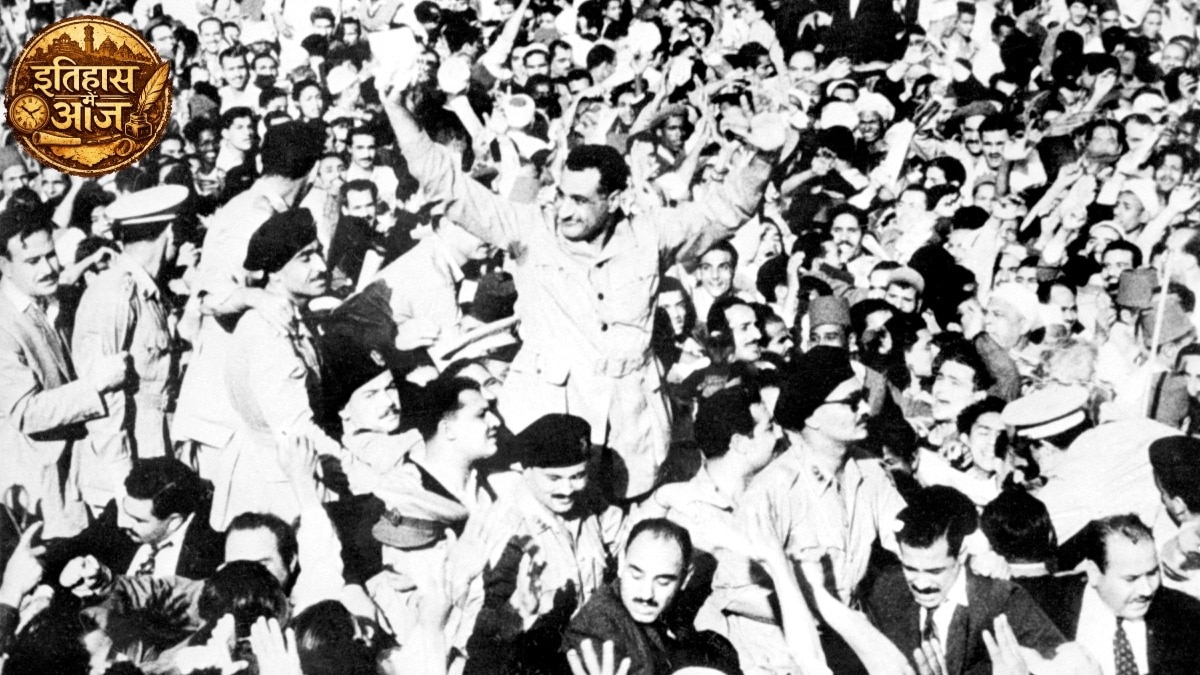
On this day in 1952, a coup d'état took place in Egypt, leading to the overthrow of the monarchy by the army. Following the military's successful action, King Farouk was exiled from the country. This event marked a significant shift in Egypt's political landscape, ending decades of royal rule. The army's swift and bloodless takeover demonstrated a decisive change in power dynamics. The subsequent exile of King Farouk solidified the military's control and paved the way for a new era in Egyptian history. The revolution's peaceful execution, in contrast to many other regime changes, is a notable aspect of this historical moment. It fundamentally altered the governance structure of Egypt, moving away from hereditary rule.
The 1952 Egyptian revolution exemplifies a pivotal moment where military intervention successfully dismantled an established monarchy without significant violence. This outcome highlights the potential for decisive leadership within armed forces to enact profound political change. The subsequent exile of King Farouk underscores the complete transfer of power and the establishment of a new regime. Analyzing this event through a systems lens, the success of the coup suggests underlying weaknesses in the monarchy's legitimacy or popular support, creating an environment conducive to external intervention. The bloodless nature of the transition, while seemingly positive, can also mask underlying societal tensions that may resurface later. Future governance models might learn from such transitions regarding the importance of broad-based legitimacy and peaceful succession mechanisms to ensure long-term stability.
AI-generated to prompt reflection — not editorial opinion, not advice, not a statement of fact. How this works.