Egypt's Coach Alleges World Championship Was Rigged After Loss to Argentina
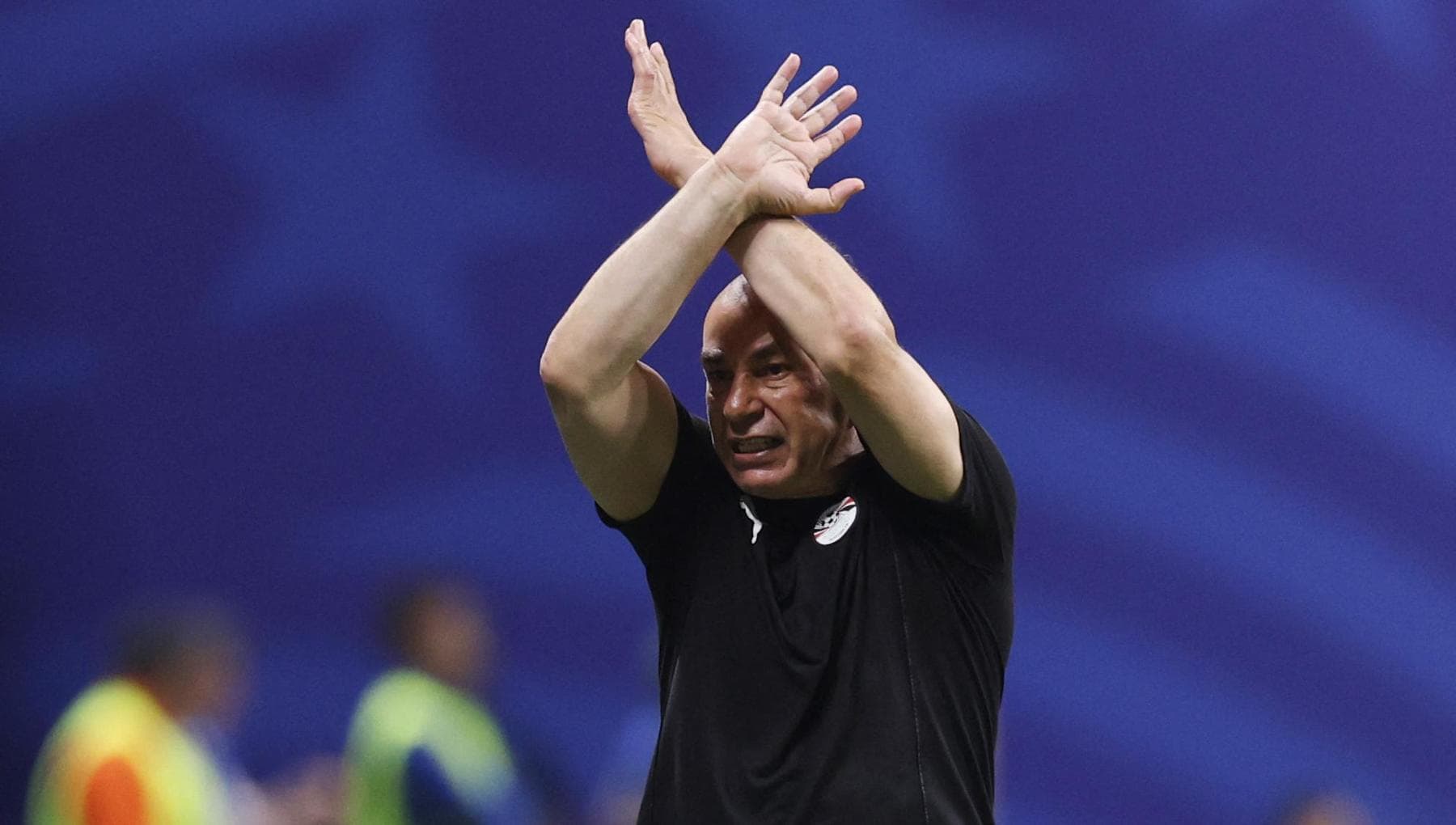
Egypt's national team coach, Hassan, expressed intense anger and frustration following their defeat against Argentina in the World Championship. He publicly accused the referee of not being "serene" during the match, suggesting the official succumbed to pressure from the Argentine side. Hassan stated that he "did not like" the referee's management of the game and declared that his team was the victim of a "grave injustice." He believes the outcome was predetermined, implying that Argentina was unfairly favored to advance in the competition. The coach's strong statements indicate a deep dissatisfaction with the officiating and the perceived integrity of the tournament's progression.
The coach's post-match accusations of a "rigged" competition and referee pressure, while emotionally charged, highlight a common dynamic in high-stakes sports where perceived officiating bias can fuel nationalistic sentiment. From a systemic perspective, such allegations underscore the immense pressure on referees and the potential for subjective interpretation in officiating, particularly in globally televised events with significant commercial and political implications. Future iterations of sports governance may need to explore enhanced transparency and technological aids to mitigate such disputes, ensuring competitive fairness and maintaining public trust in the integrity of international sporting events. The focus should remain on objective performance and standardized rules, rather than attributing outcomes to external manipulation.
AI-generated to prompt reflection — not editorial opinion, not advice, not a statement of fact. How this works.