Egypt's Controversial Refereeing Decisions Under Scrutiny
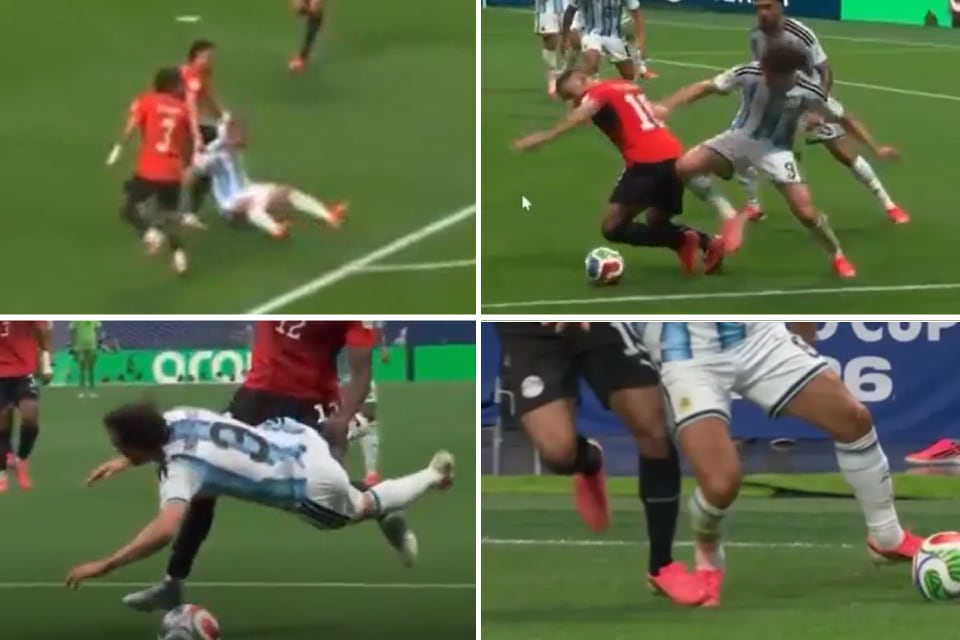
On July 8, 2026, a report highlighted controversial refereeing decisions involving Egypt, suggesting the country's actions were not justified. The article details a series of contentious plays, implying a pattern of questionable calls that favored or negatively impacted specific outcomes. These incidents have sparked debate regarding the fairness and integrity of officiating in matches involving Egypt. The report aims to dissect each controversial moment, providing a comprehensive overview of the disputes. It suggests that the explanations or justifications provided for these decisions by Egyptian officials or related bodies were inadequate. The analysis focuses on specific instances where VAR (Video Assistant Referee) technology was utilized, indicating potential misapplications or oversights. The piece underscores the importance of transparent and consistent officiating in maintaining the credibility of the sport. The author implies that Egypt's position on these matters lacks sound reasoning, prompting a deeper look into the officiating standards.
This report scrutinizes a series of refereeing decisions involving Egypt, questioning their validity and the justifications provided. By detailing specific controversial plays, the article aims to deconstruct any official narratives and expose potential inconsistencies in officiating. The focus on VAR suggests an examination of how technology is being applied, or potentially misused, in critical match moments. The piece prompts reflection on the governance of sports officiating and the accountability mechanisms in place to ensure fair play. It encourages an independent assessment of these incidents, moving beyond nationalistic interpretations to evaluate adherence to international standards and the impact on competitive integrity. The long-term implications for Egypt's sporting reputation and the broader trust in officiating processes warrant consideration.
AI-generated to prompt reflection — not editorial opinion, not advice, not a statement of fact. How this works.