Egypt's New Delta Project: Desert Reclamation Aims to Boost Food Security
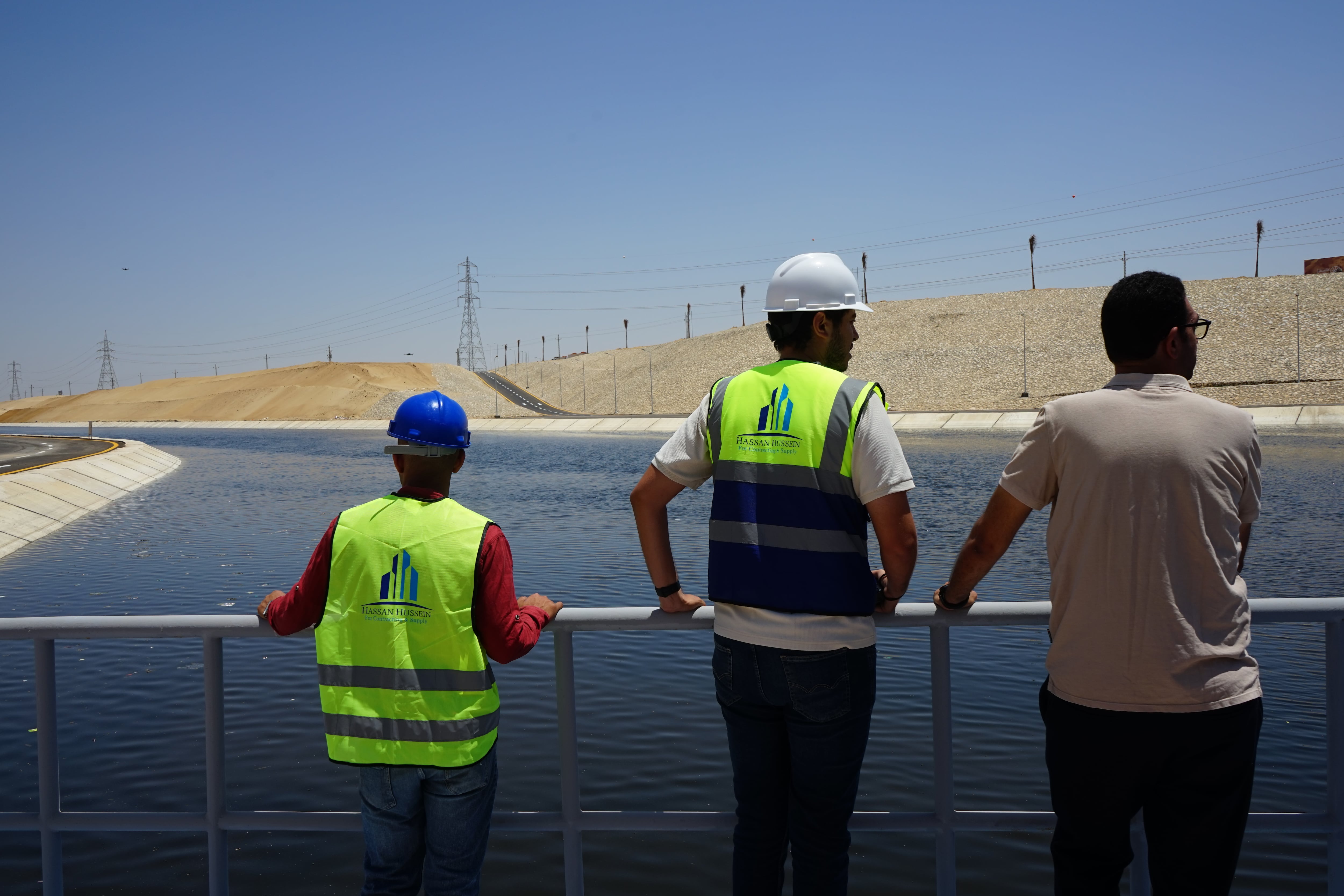
Egypt has launched a massive agricultural project aimed at reclaiming nearly one million hectares of desert land, a move designed to significantly enhance the nation's food security. This ambitious initiative, dubbed the 'New Delta,' seeks to transform arid regions into productive farmland. However, the project's structure is characterized by a highly centralized model, which raises concerns about the exclusion of smallholder farmers from its benefits. While the expansion of agricultural capacity is a primary objective, the centralized approach may limit broader economic participation and equitable distribution of resources within the agricultural sector. The project's success will likely be measured not only by the land reclaimed and food produced but also by its impact on the livelihoods of diverse farming communities across Egypt.
Egypt's New Delta project represents a strategic effort to address food security through large-scale land reclamation. The initiative's centralized governance model, while potentially efficient for rapid development, warrants scrutiny regarding its long-term implications for agricultural equity and economic diversification. Future agricultural strategies may benefit from exploring decentralized frameworks that empower smallholder farmers, fostering a more resilient and inclusive food system. Examining the project's impact on water resource management and sustainable land use practices will be crucial in assessing its overall success in the coming decade, particularly in the context of increasing climate variability and population growth.
AI-generated to prompt reflection — not editorial opinion, not advice, not a statement of fact. How this works.