Egypt's World Cup Goalkeeper Mostafa Shobeir Follows Father's Legacy
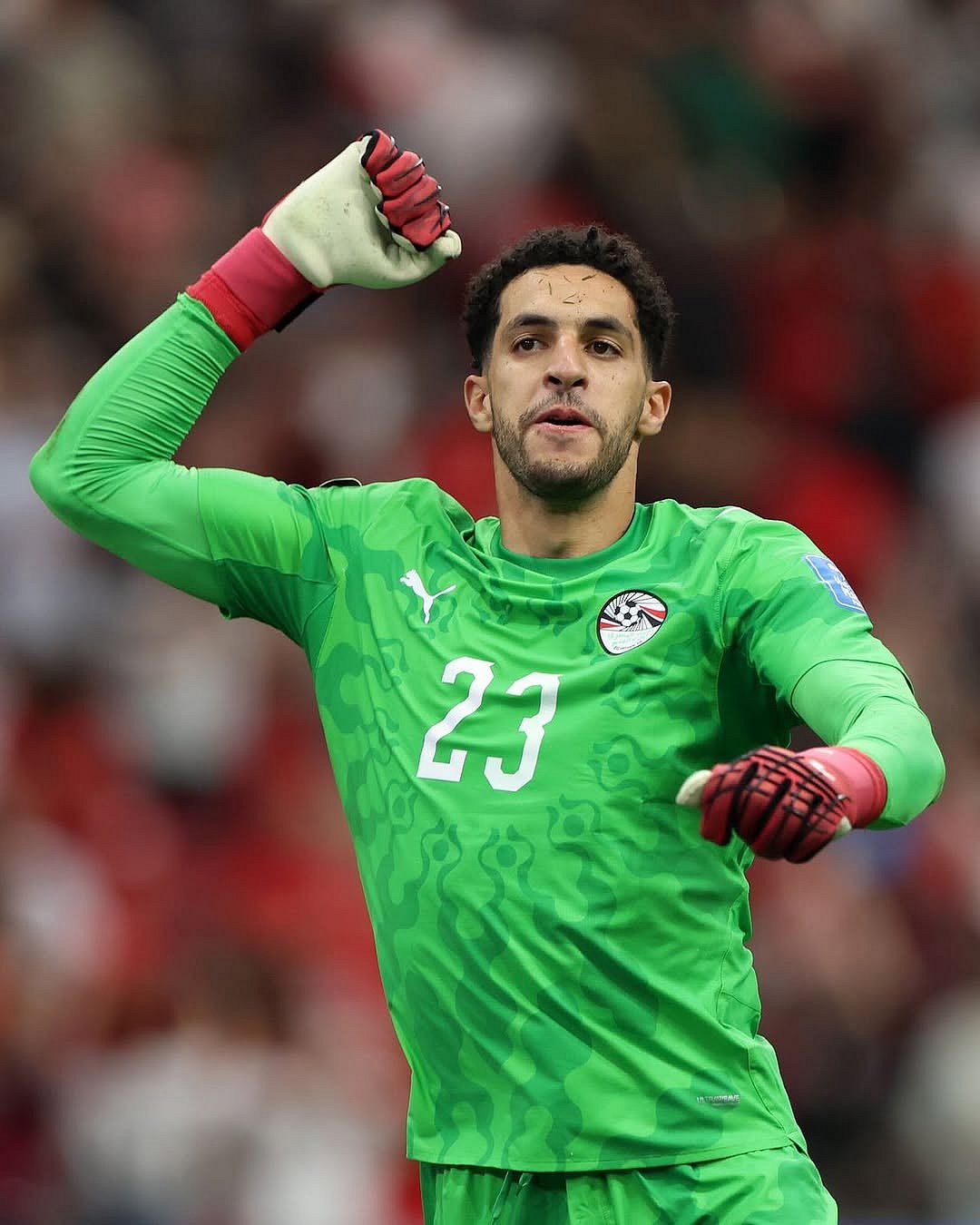
Egyptian goalkeeper Mostafa Shobeir has garnered significant attention during the ongoing football World Cup for his exceptional performance. He has been a formidable presence in front of the goal, likened to a "Great Wall," making crucial saves, including a penalty kick from Lionel Messi against Argentina. Shobeir's prowess is a continuation of his family's goalkeeping legacy, as he is the son of legendary Egyptian goalkeeper Ahmed Shobeir. Both father and son have achieved the rare distinction of representing Egypt in goal at the World Cup. Ahmed Shobeir played in the 1990 World Cup, notably contributing to a memorable 1-1 draw against the Netherlands. Coincidentally, Mostafa Shobeir's World Cup debut also ended in a 1-1 draw, against Belgium, where he delivered an outstanding performance. Born in 2000, Mostafa Shobeir developed his skills at the academy of the renowned Egyptian club Al Ahly, where he currently plays professionally. He earned a significant opportunity during the 2023-24 CAF Champions League season when veteran goalkeeper Mohamed El Shenawy was injured. Shobeir played a pivotal role in Al Ahly's championship victory, maintaining clean sheets in nine consecutive matches throughout the tournament. He debuted for Al Ahly's senior team in 2020 and has since played 63 matches. His international debut for Egypt occurred in December of the previous year, and he has since earned 14 caps. Notably, Mostafa Shobeir is the only goalkeeper in the current World Cup to have saved two penalties (excluding shootouts), joining an elite group that includes Jan Tomaszewski (1974), Wojciech Szczęsny (2022), and Brad Friedel (2002). Egyptian coach Hossam Hassan has placed his trust in Shobeir's calm demeanor, quick reflexes, and composure under pressure, earning him a starting position in the World Cup squad.
The narrative surrounding Mostafa Shobeir's World Cup performance highlights a compelling blend of individual talent and inherited legacy. This situation presents a system where familial precedent can significantly influence opportunity and public perception within elite sports. The dual pressures of living up to a famous father's achievements and performing on the global stage are substantial. Shobeir's success thus far suggests a robust personal resilience and skill set, potentially indicating that such inherited advantages, when coupled with genuine ability, can foster exceptional performance. Future analysis might explore how such generational talent transfers impact the broader talent development pipelines in national football programs, particularly in countries with strong sporting dynasties. It also raises questions about the long-term sustainability of success driven by such concentrated lineage versus a more diversified approach to talent identification and nurturing.
AI-generated to prompt reflection — not editorial opinion, not advice, not a statement of fact. How this works.