Eight Arrested in Rajasthan for Killing and Consuming Blackbuck
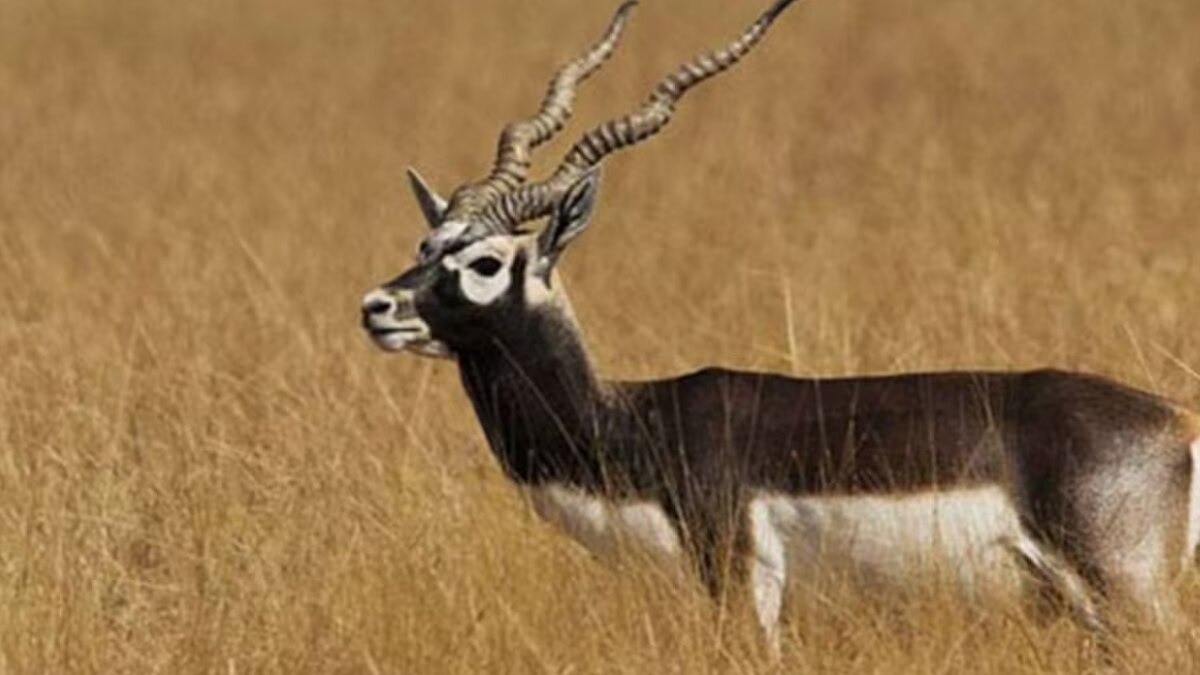
Forest officials in Rajasthan have arrested eight individuals in connection with the illegal killing and consumption of a blackbuck. The arrests were made following a search at the scene where raw and cooked meat, the hide, and the dismembered carcass of the blackbuck were recovered. The incident highlights ongoing challenges in wildlife protection and enforcement in the region. Blackbucks are a protected species in India, and hunting them carries severe penalties under the Wildlife Protection Act. The recovery of both raw and cooked meat suggests a planned event rather than an opportunistic one. Authorities are likely investigating the full extent of the operation and any potential network involved in poaching and trading endangered wildlife. This event underscores the persistent threat to India's biodiversity from illegal hunting and consumption. The forest department's swift action in apprehending the suspects is a crucial step in deterring such activities. Further investigation will aim to uncover the motives behind the poaching and the intended market for the illegally obtained animal parts. The case serves as a reminder of the critical need for continued vigilance and robust conservation efforts.
The apprehension of eight individuals for poaching a protected blackbuck in Rajasthan brings to light the persistent conflict between human activities and wildlife conservation in India. This incident, involving the killing and consumption of the animal, points to potential underlying issues of demand for bushmeat or traditional practices that may override legal protections. From a systemic perspective, such events highlight the ongoing need for effective enforcement mechanisms, community engagement, and potentially, addressing socio-economic drivers that might contribute to poaching. Looking ahead, the increasing pressures from population growth and resource demand, coupled with advancements in tracking and detection technologies, will shape the future of wildlife protection. Ensuring the long-term survival of species like the blackbuck will require adaptive strategies that balance conservation goals with the needs and behaviors of local populations, fostering a shared responsibility for biodiversity.
AI-generated to prompt reflection — not editorial opinion, not advice, not a statement of fact. How this works.