Eight Highways Blocked Due to Floods and Landslides in Nepal
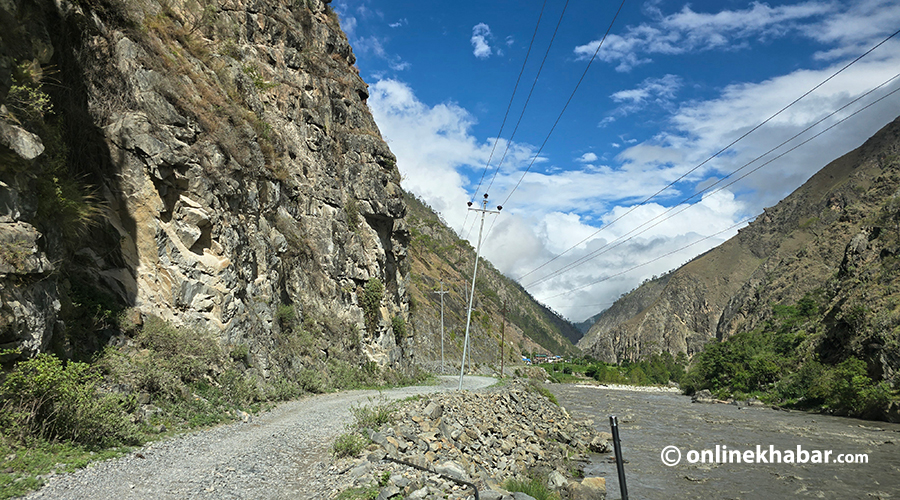
Heavy rainfall across Nepal has led to floods and landslides, resulting in the obstruction of eight major highways. These natural disasters have significantly impacted transportation networks throughout the country. However, the Hulasi Highway, which was previously completely blocked by floodwaters and debris, has now been reopened and is operational. The reopening of the Hulasi Highway is a crucial development for restoring connectivity in the affected regions. The ongoing monsoon season continues to pose a threat, with the potential for further disruptions to road infrastructure. Authorities are working to clear the remaining blocked routes and assess the full extent of the damage. Efforts are also underway to ensure the safety of commuters and to provide necessary relief to those affected by the landslides and floods. The situation highlights the vulnerability of Nepal's transportation system to extreme weather events.
The recurring blockage of key transportation arteries in Nepal due to monsoon-induced floods and landslides underscores a persistent challenge in the nation's infrastructure resilience. This cyclical disruption points to potential systemic issues in disaster preparedness, early warning systems, and the long-term planning of road construction in geologically sensitive areas. As climate change intensifies weather variability, such events are likely to become more frequent and severe, necessitating a strategic shift towards adaptive infrastructure design and robust maintenance protocols. Future investments should prioritize climate-proofing transportation networks to mitigate economic losses and ensure consistent access for communities, particularly in remote regions. Addressing these vulnerabilities proactively will be critical for sustainable development and national security in the coming decade.
AI-generated to prompt reflection — not editorial opinion, not advice, not a statement of fact. How this works.