Eight Injured in Russian Attacks on Kyiv, Following Zelensky's Warning
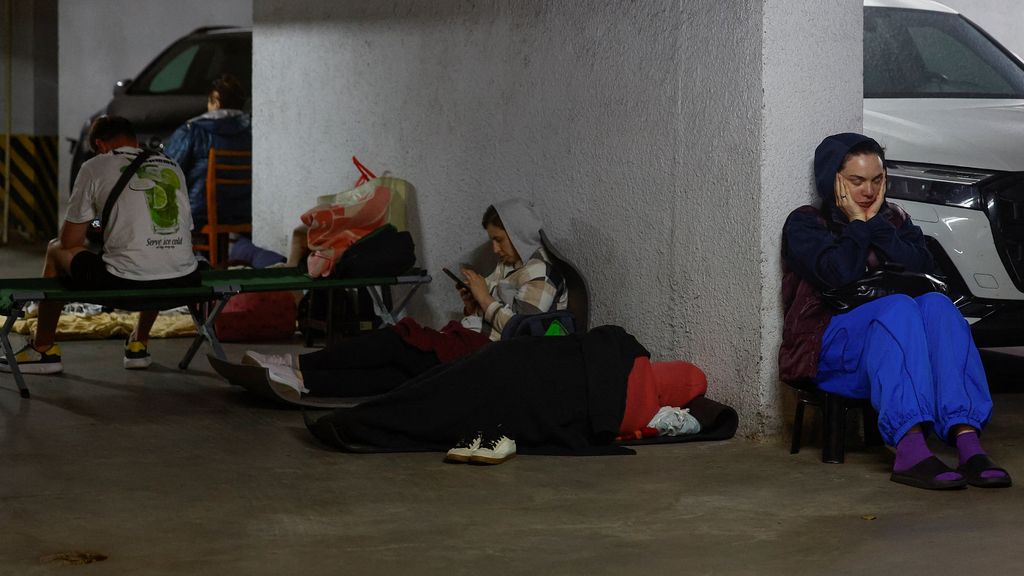
Russian attacks on Kyiv have resulted in at least eight injuries, according to Ukrainian media reports. Authorities confirmed that a residential complex was partially destroyed, with some neighborhoods experiencing power outages. The strikes occurred between 1:40 AM and 3:15 AM local time, as reported by journalists in the city.
Ukrainian President Zelensky had posted a warning on social media just hours before the attacks, anticipating further heavy Russian assaults. A rocket struck the residential complex between the seventh and ninth floors, and two other civilian targets were reportedly hit. Kyiv's mayor stated that five people were injured within the city, while three more were wounded in Bucha, just outside the capital, and have been hospitalized. In addition to residential buildings, garages and a warehouse were also damaged.
This attack comes shortly before President Zelensky's planned meeting with U.S. President Trump in Turkey on Wednesday, coinciding with a NATO summit. This encounter is part of renewed efforts to achieve a resolution to Russia's ongoing war against Ukraine.
The reported attacks on Kyiv, occurring shortly after a public warning from President Zelensky, highlight the ongoing escalation of the conflict and its direct impact on civilian infrastructure and populations. The timing of these strikes, preceding a significant diplomatic meeting between Zelensky and President Trump alongside a NATO summit, suggests a potential strategic intent to influence international perceptions and negotiations. From a geopolitical perspective, such actions can be analyzed through the lens of coercive diplomacy, where military actions are employed to shape the broader political landscape and potentially disrupt peace-seeking initiatives. The international community will likely assess these events in the context of international humanitarian law and the broader strategic objectives of the involved parties, considering how such escalations might affect future de-escalation efforts and the overall stability of the region within the next decade.
AI-generated to prompt reflection — not editorial opinion, not advice, not a statement of fact. How this works.