Eight Vehicles Carrying Illegal Goods Seized After Chase in Maracaju, Brazil
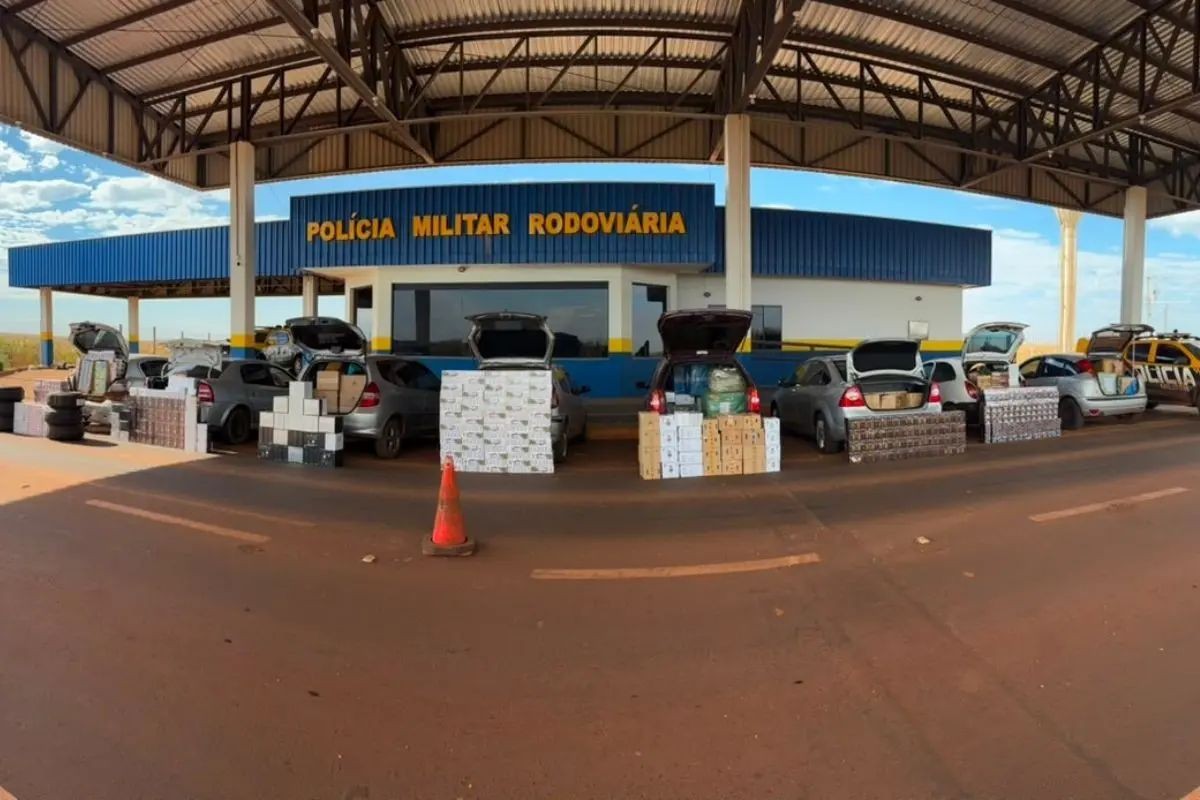
Authorities in Maracaju, Mato Grosso do Sul (MS), Brazil, have seized eight vehicles loaded with undeclared foreign merchandise following a pursuit. The operation was conducted by the Tático Ostensivo Rodoviário (TOR) unit of the Batalhão de Polícia Militar Rodoviária (BPMRv). Police observed a convoy of vehicles traveling on a rural road, and when ordered to stop, the drivers fled. After a chase of approximately five kilometers, the vehicles turned onto another dirt road. The drivers abandoned the vehicles and escaped into a wooded area when they encountered a locked gate. A search of the vehicles revealed a significant quantity of foreign goods lacking proper fiscal documentation. Seized items include 5,777 bottles of perfume, 1,050 packs of cigarettes, 40 tires, 13 boxes of eyeglass lenses, 10 boxes of eyeglasses, two boxes of clothing, two boxes of costume jewelry, and various other products. The Federal Police have directed that the entire seizure be transferred to the Federal Revenue Service.
This incident highlights the ongoing challenges of cross-border smuggling and the enforcement efforts to combat it. The seizure of diverse goods, from high-value perfumes and cigarettes to essential items like tires and eyeglasses, suggests a sophisticated operation catering to various market demands. The evasion tactics employed by the drivers underscore the risks associated with illicit trade. From a systemic perspective, the event points to potential gaps in border control and the economic incentives driving individuals to engage in such activities. The collaboration between the Military Police and the Federal Police, culminating in the transfer of goods to the Federal Revenue Service, demonstrates a multi-agency approach to addressing fiscal and customs violations. Future considerations may involve enhanced surveillance technologies and intelligence sharing to proactively disrupt such convoys before they reach their destinations, thereby mitigating economic losses and potential societal impacts of unregulated goods.
AI-generated to prompt reflection — not editorial opinion, not advice, not a statement of fact. How this works.