Eight Victims Identified in Poland Through Genetic Analysis of Remains from Ternopil Region
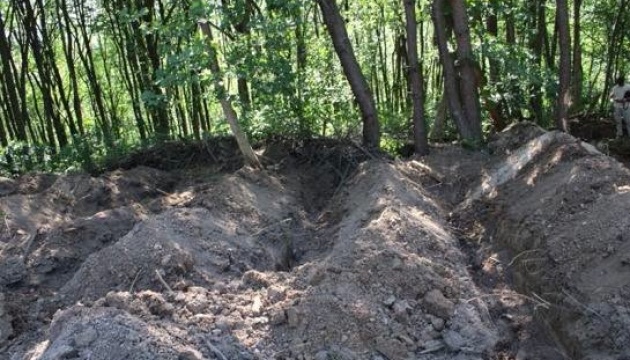
Polish authorities have successfully identified the remains of eight individuals through genetic research. The discovery and subsequent exhumation took place in the former village of Puzhnyky, located in the Ternopil region of Ukraine. This marks the first time genetic analysis has been used to establish the identities of victims found at this site. The investigation into these remains is ongoing, with the aim of providing closure and understanding the circumstances surrounding their deaths. The use of advanced genetic techniques highlights a commitment to uncovering the truth behind historical findings. Further details regarding the individuals and the context of their demise are expected as the investigation progresses.
The identification of these eight individuals through genetic research in Poland, concerning remains found in Ukraine's Ternopil region, underscores the evolving capabilities of forensic science in resolving historical cases. This process, while providing a crucial step towards closure for potential families, also raises questions about the historical context and the circumstances that led to these individuals being in Puzhnyky. The reliance on genetic analysis suggests a lack of immediate identifying information at the time of discovery, pointing to potential long-term concealment or a significant passage of time. Future investigations will likely focus on corroborating these genetic findings with historical records and witness testimonies to construct a comprehensive narrative, ensuring that such events are understood within their broader societal and geopolitical frameworks.
AI-generated to prompt reflection — not editorial opinion, not advice, not a statement of fact. How this works.