Eight Years Later, Nirmala Case Remains Unsolved Despite Extensive Investigation
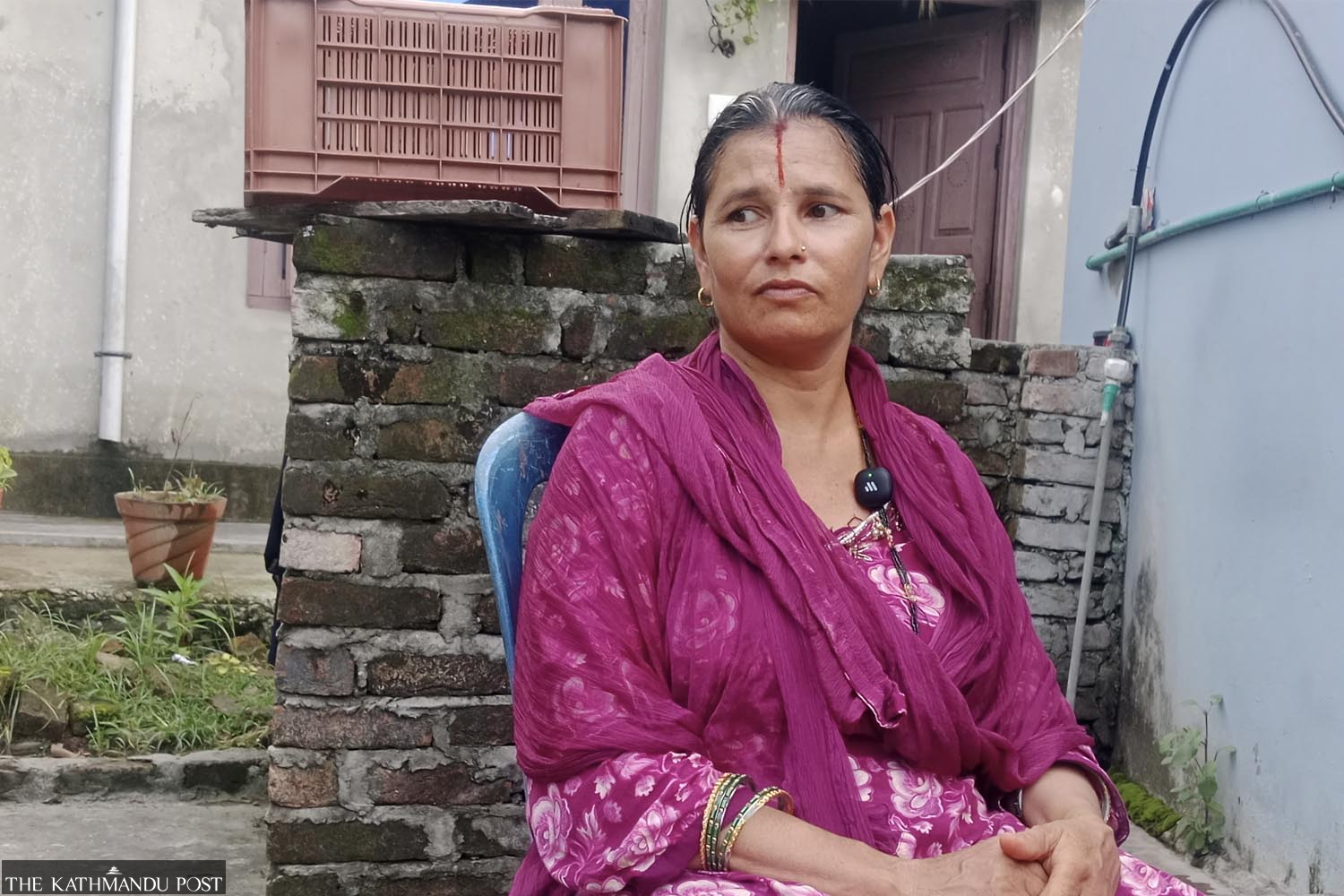
Eight years after the murder of Nirmala, investigators have still not identified a killer, leaving her family without justice. The case has involved numerous inquiries, over 1,000 interviews conducted, and extensive DNA testing. Despite these significant efforts, the perpetrator remains at large. The prolonged lack of resolution highlights the challenges faced in bringing perpetrators to justice in complex cases. The victim's family continues to await answers and closure. This ongoing situation underscores the persistent difficulties in criminal investigations where definitive evidence or leads are scarce. The case serves as a stark reminder of the long road to justice for victims and their families when investigations stall. The lack of a conclusion after such a substantial investigative period raises questions about investigative resources and methodologies. The family's enduring wait for justice continues to be a central aspect of this protracted case.
The prolonged lack of resolution in the Nirmala case, despite substantial investigative resources including over 1,000 interviews and extensive DNA testing, highlights systemic challenges in achieving justice for victims. This situation may reflect complexities in evidence gathering, forensic analysis limitations, or the need for enhanced inter-agency cooperation in protracted investigations. Future investigative frameworks could benefit from exploring advanced data analytics and predictive modeling to identify patterns or connections missed by traditional methods. The enduring wait for the family underscores the critical importance of timely and effective closure in the justice system, prompting consideration of reforms that could expedite investigations without compromising thoroughness.
AI-generated to prompt reflection — not editorial opinion, not advice, not a statement of fact. How this works.