Eighth Spent Nuclear Fuel Cask Arrives at Ahaus Storage Facility
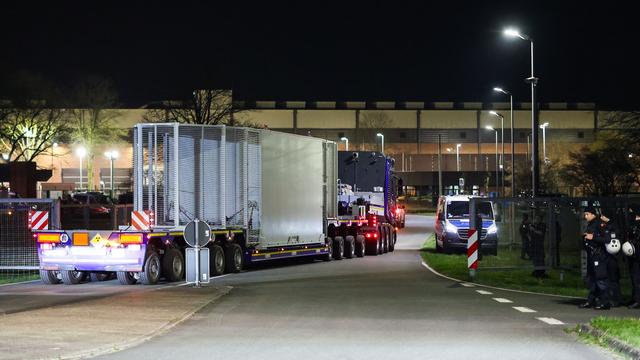
The eighth Castor cask containing spent nuclear fuel has arrived at the interim storage facility in Ahaus, Germany. This marks another step in the ongoing process of managing nuclear waste within the country. The facility in Ahaus is designed to safely store these highly radioactive materials for extended periods. The arrival of the cask was confirmed, though specific details regarding the exact date or time of its transport were not immediately available. This event is part of Germany's broader strategy for dealing with the legacy of its nuclear power program. The country has been phasing out nuclear energy, making the secure storage and eventual disposal of nuclear waste a critical national priority. The Castor casks are specialized containers engineered to withstand significant impacts and provide robust shielding for the radioactive contents during transport and storage. The Ahaus facility is one of several such sites across Germany tasked with holding nuclear waste. The long-term plan for this waste involves eventual deep geological disposal, a process that is still under development and faces significant technical and societal challenges. The arrival of each cask underscores the continuous need for secure and safe management of these materials.
The arrival of the eighth Castor cask at the Ahaus facility highlights the persistent challenge of nuclear waste management in Germany, even as the nation transitions away from nuclear power generation. This ongoing transport and storage process represents a significant logistical and safety undertaking, requiring specialized infrastructure and strict regulatory oversight. The long-term viability of interim storage solutions like Ahaus is intrinsically linked to the progress and eventual success of developing a permanent deep geological repository, a complex endeavor with substantial technical, economic, and public acceptance hurdles. The situation prompts consideration of the intergenerational equity implications of current waste management strategies, as the burden of long-term storage and disposal is effectively deferred to future generations. Examining the efficiency and safety protocols of these transport operations, alongside the pace of repository development, offers insights into the systemic challenges of managing high-level radioactive waste in the 21st century.
AI-generated to prompt reflection — not editorial opinion, not advice, not a statement of fact. How this works.