El Niño 2026 Forecast: Potential for Intense Drought and Heat in Paraíba
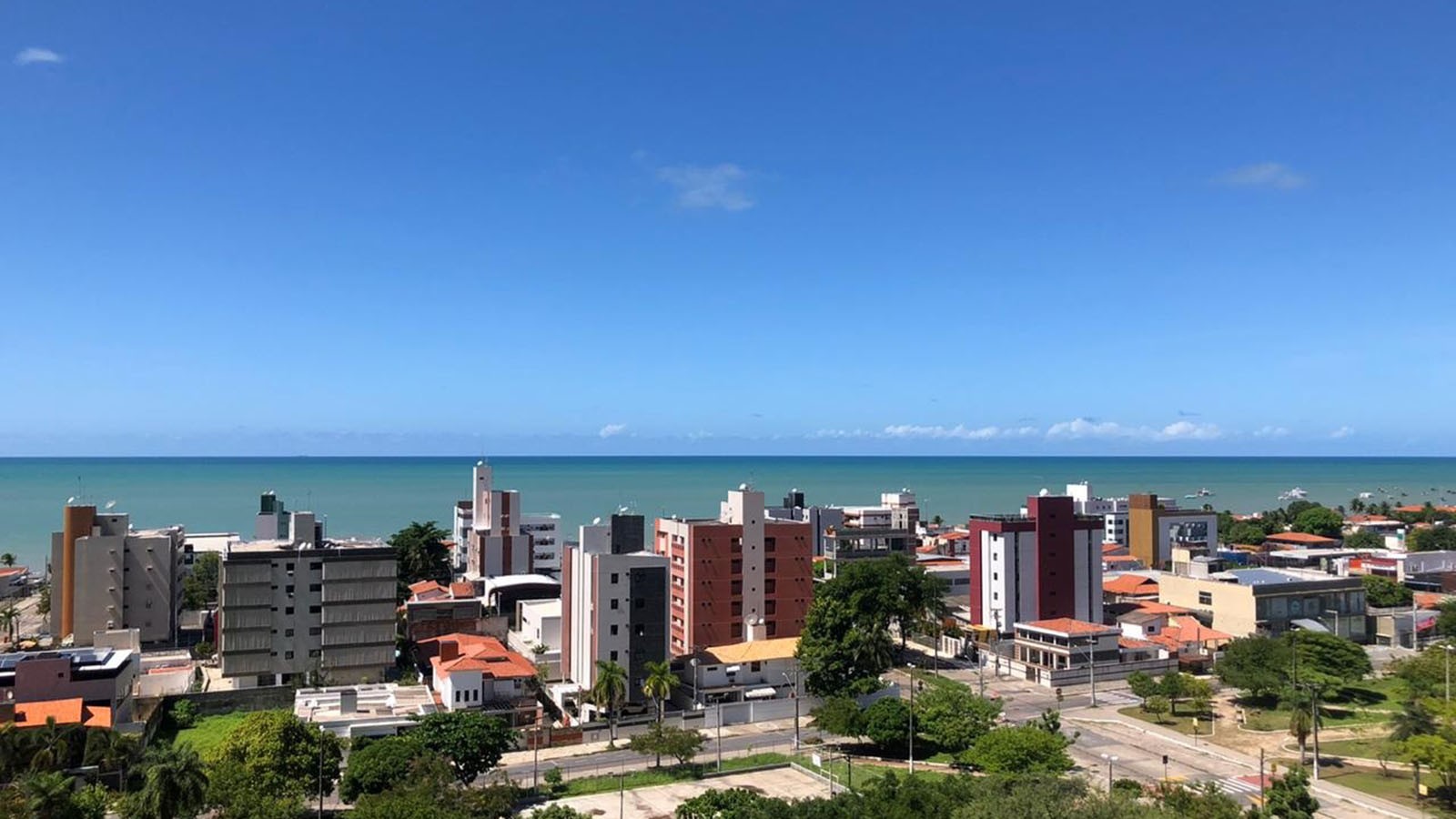
The El Niño phenomenon, expected to strengthen in 2026, is projected to significantly increase temperatures and intensify drought periods across Paraíba, Brazil, particularly in the Sertão and Cariri regions. Experts anticipate this event could be one of the most intense in recent years, leading to amplified impacts on water reservoirs, air quality, and demand for water and electricity. El Niño is caused by the warming of surface waters in the equatorial Pacific Ocean, disrupting global weather patterns. Meteorologist Morgana Almeida from the National Institute of the Semi-arid (Insa) noted that the Pacific Ocean's warming pattern, consolidating in mid-April, suggests a potentially stronger El Niño than those observed recently. Projections from the U.S. National Oceanic and Atmospheric Administration (NOAA) indicate a high probability of Pacific Ocean surface temperatures exceeding the average by more than 2°C, classifying the event as 'Strong' or 'Very Strong'. The impacts are expected to be exacerbated by global climate change, increasing the risk of extreme weather events like intense heatwaves and severe droughts. In Paraíba, August to October 2026, typically the dry season, may experience prolonged high temperatures and heatwaves. This elevated thermal condition will likely decrease relative humidity, worsening air quality and affecting human and animal health. Increased evaporation will also deplete water reservoirs, while higher temperatures will strain infrastructure by increasing demand for water and electricity. The phenomenon may also influence the subsequent rainy season from December 2026 to February 2027, potentially reducing rainfall totals in the Sertão. While the Sertão and Cariri are expected to face more severe heat and low humidity, the Litoral, Brejo, and Agreste regions may see a reduction in overall rainfall during their main rainy season, though isolated heavy rainfall events are still possible.
The forecast for El Niño in 2026 highlights the compounding effects of natural climate cycles and anthropogenic global warming. While El Niño is a recurring natural phenomenon, its intensification, as suggested by current projections, can significantly stress regional resources and infrastructure. The projected impacts on Paraíba, including increased drought and heat, underscore the vulnerability of semi-arid regions to climate variability. This situation necessitates proactive adaptation strategies, focusing on water resource management, energy grid resilience, and public health preparedness. The interplay between El Niño and global warming suggests a trend towards more extreme weather events, demanding long-term planning that accounts for escalating climatic pressures on both natural ecosystems and human societies.
AI-generated to prompt reflection — not editorial opinion, not advice, not a statement of fact. How this works.